Namaskar from India: Navigating Chaos, Culture, and Curiosity

India is a place that defies neat descriptions. It’s vibrant, chaotic, soulful, and layered with more stories than one blog post could ever capture. From the cacophony of horns to the historical grandeur of the Mughal dynasty, every moment here is alive with contrasts.

Take the roads, for example. Driving in India is its own kind of performance art. And here’s a fun fact: it’s considered rude not to honk your horn before passing a vehicle. Honking is less about aggression and more about communication—a polite “Namaskar” to let others know you’re coming through. Trucks often display signs like “Blow Horn” or “Use Dipper at Night,” making it clear that honking isn’t just tolerated—it’s expected. It’s noisy, yes, but it’s also strangely efficient in its own chaotic way.

Reading the Roads: A Crash Course in Indian License Plates

One of the first things I noticed during my time here was the kaleidoscope of vehicle registration plates. Each tells a little story about where the vehicle comes from and its purpose:

• Yellow Plates: Commercial vehicles—taxis, trucks, and buses hustling to their next destination.

• White Plates: Private vehicles, carrying families, professionals, and everyday life.

• Green Plates: Electric vehicles—a hopeful sign of sustainability amidst the bustling chaos.

• DL: Vehicles registered in Delhi.

• RJ: Rajasthan, for those that call the majestic desert state home.

Every plate is like a postcard from a different corner of India, a reminder of how vast and diverse this country is.

The Streets Are Alive

India’s streets are more than just thoroughfares—they’re stages where life unfolds in all its raw beauty. Children play in the middle of the road, darting between cars and laughing with uncontainable joy. Others wash windows at traffic lights or paint gutters with a focus that’s both industrious and surreal. It’s a scene that tugs at your heartstrings, reminding you of the resilience and creativity that thrive even in the midst of challenges.

Tastes of Tradition: Semolina and Chickpea Flour

The food here is an adventure in itself, and my taste buds are having the time of their lives. Indian cuisine has a way of turning the simplest ingredients into something extraordinary. Take semolina and chickpea flour, for example. These humble staples are transformed into delicacies like soft, spongy dhokla or crispy, golden pakoras. It’s a reminder that in India, food isn’t just nourishment—it’s art, tradition, and a celebration of flavor.

A Glimpse into History: The Qutb Monuments and the Mughal Dynasty

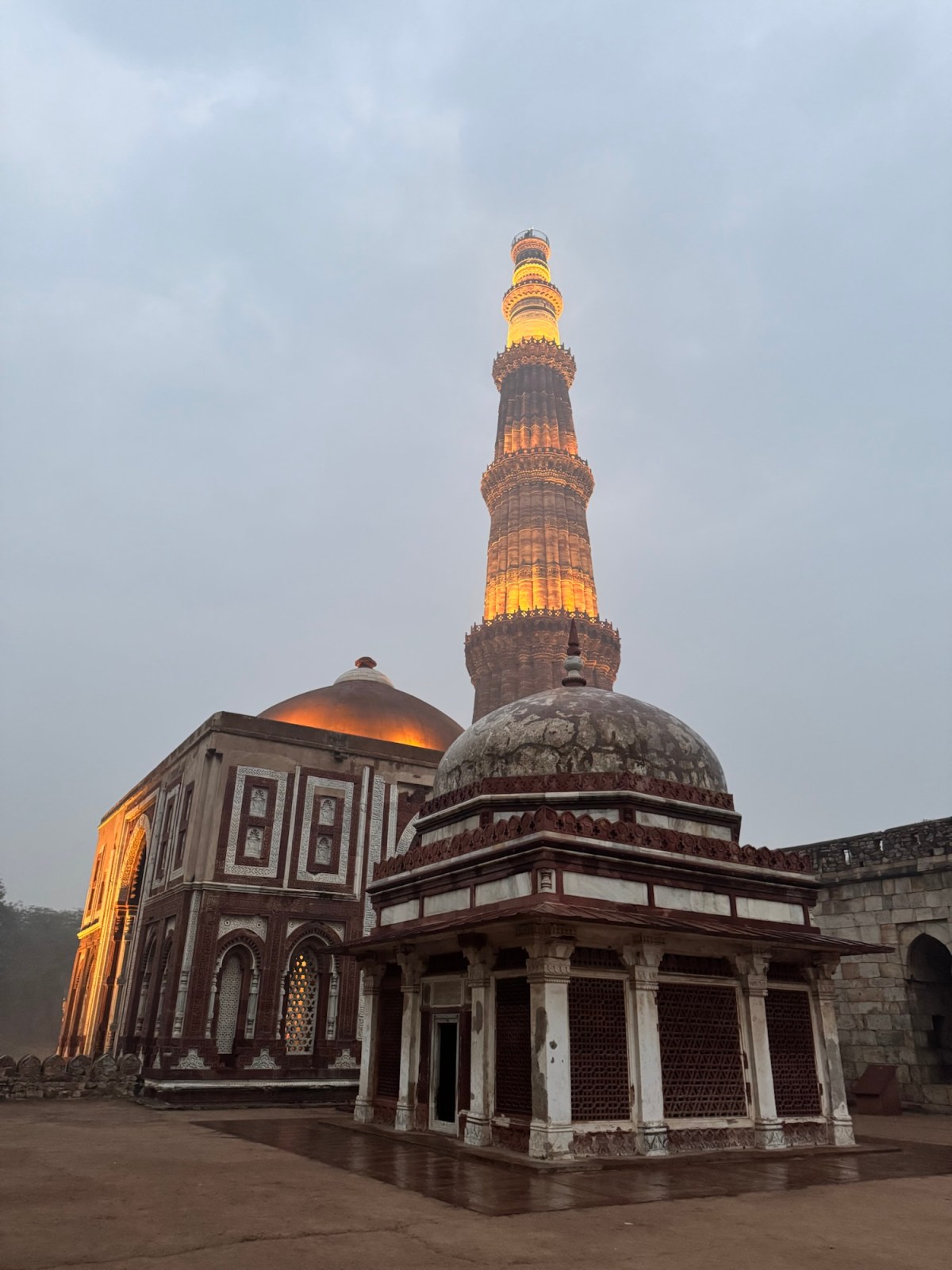
India’s history is as rich and layered as its food. Exploring the Qutb Minar Complex in Delhi, I found myself awestruck by the scale and intricacy of these ancient structures. The Qutb Minar, a towering sandstone minaret built in 1193, rises like a sentinel over centuries of history. The surrounding ruins, including the Quwwat-ul-Islam Mosque, tell stories of conquest, faith, and architectural brilliance.

This is the legacy of the Mughal dynasty, whose influence can still be felt in everything from India’s cuisine to its art and architecture. Walking through these monuments, it’s impossible not to feel a sense of reverence for the grandeur and ingenuity of those who came before us.

Finding Balance in the Chaos

India has a way of throwing you off balance—and then teaching you how to find your footing again. It’s in the blaring horns that somehow create order from chaos, the children who turn busy streets into playgrounds, the food that speaks of centuries-old traditions, and the monuments that whisper stories of a time long gone.

Travel here isn’t always comfortable, but it’s always meaningful. It demands that you stay present, that you open yourself to the unfamiliar, and that you find beauty in the mess. India doesn’t just show you the world—it shows you yourself, reflected in its vibrant, unfiltered mirror.

So, if you find yourself here one day, listen for the horns, taste the pakoras, marvel at the history, and let the chaos guide you to something extraordinary. Namaskar, my friends—welcome to the journey.

Travel for Self-Exploration: A Walk, A Tuk Tuk, and a Bargain Henna Tattoo

There’s something about stepping into a foreign country that forces you to take a good, hard look at yourself. Maybe it’s the jarring unfamiliarity—the sights, smells, and sounds that make you acutely aware of how far you are from your comfort zone. Or maybe it’s the unexpected moments, the small but profound ones, that reveal parts of yourself you didn’t even know needed revealing. Either way, travel has a way of turning introspection into a full-time hobby.

Even though I’m here in India with two incredible women and part of a lively 12-person touring group, I’ve found that travel leaves plenty of room for self-reflection. And let’s be honest—it’s not all serene meditation and moments of spiritual awakening. There’s also the “Why did I pack three pairs of shoes when I’ve only worn two?” type of realization and the “Is that Brahman cow judging me?” moment of self-awareness. Spoiler alert: it probably was.

The Morning “Getting Lost Walk”

Every holiday we take starts with the same ritual: a “getting lost walk.” It’s less about having a plan and more about wandering with the vague intention of familiarizing ourselves with the area. Today’s quest? To find a banyan tree. That’s it. Simple, right?

Well, not exactly. The banyan tree remained stubbornly elusive, but the walk rewarded us in other ways. First, there were the squirrels—dozens of them darting around, chattering, and occasionally pausing to give us what I can only describe as judgmental looks. Then, there was the lone ferret, who seemed entirely unbothered by our presence, as if ferrets in city streets were the most normal thing in the world.

And of course, there were the dogs. A veritable parade of strays in every shape and size, each with their own personality. Some trotted confidently as if they owned the streets, others lounged lazily in patches of sunlight, and one sat under a makeshift stall as if waiting for a chai latte. Amongst them were the obvious exceptions—two dogs wearing jackets advertising that they were definitely not strays. Their smug air practically screamed, “I have a family. Do you?”

To top it all off, we stumbled upon a magnificent Brahman cow lounging regally amongst a pile of rubbish down a narrow alley. There was something almost poetic about its presence—majestic and serene in the chaos of its surroundings, like a meditating monk who just happened to be surrounded by discarded plastic bottles.

The Map Said 4.5km… Lies, All Lies

Buoyed by our morning wander, we decided to take on an even bigger adventure in the afternoon: walking 4.5 kilometers to Lajpat Nagar Central Market from our bed-and-breakfast in Hauz Khas. The map made it look like a breezy stroll. Spoiler alert: it wasn’t.

Navigating the streets was like a real-life game of Frogger, dodging cars, bikes, cows, and the occasional enthusiastic honk from a passing tuk tuk. By the time we arrived, sweaty and slightly frazzled, we were questioning our decision-making skills. But the market? Worth every step. Vibrant fabrics, stunning traditional Indian clothing, and the kind of sensory overload that leaves you equal parts exhausted and exhilarated.

I even treated myself to a henna tattoo for the equivalent of AUD $4. Four dollars! At that price, I briefly considered covering my entire arm, but common sense prevailed (barely). It’s intricate, beautiful, and a temporary reminder of a day that was as chaotic as it was unforgettable.

The Tuk Tuk Ride: Chaos Meets Adventure

After three hours of market wandering (and acquiring more treasures than our bags could possibly hold), the idea of walking back was laughable. Enter: the tuk tuk.

Our driver was a magician behind the wheel, deftly navigating Delhi’s organized chaos with a mix of confidence, daring, and what I can only assume was divine intervention. We clung to the sides, laughing and shrieking as we zipped past traffic, potholes, and pedestrians. At one point, I’m fairly certain we grazed a guy on a motorbike, but neither the driver nor he seemed remotely fazed. By the time we made it back, we were windblown, exhilarated, and holding onto our market loot like victorious treasure hunters.

Packing, Repacking, and Life Lessons

Travel is a masterclass in letting go—literally and figuratively. Every morning, I repack my bag, trying to create some semblance of order. Meanwhile, one of my travel buddies spent an hour carefully reorganizing her suitcase today to make room for a traditional dress she couldn’t resist. Watching her was like watching a sculptor at work, each fold and placement deliberate. Meanwhile, I’m over here cramming scarves into every available crevice and hoping the zippers hold.

But here’s the thing: travel teaches you to strip life down to essentials. You carry what you need, and you learn to let go of the rest—whether it’s physical clutter or the mental kind that weighs you down. And isn’t that what life is all about? (Okay, maybe not the part where I bought yet another scarf, but let’s focus on the metaphor here.)

Travel: The Ultimate Mirror

Travel isn’t just about seeing new places; it’s about seeing yourself in new ways. Today’s adventures—our “getting lost walk,” the market trek, and the tuk tuk thrill ride—reminded me that the joy of travel lies in its unpredictability. It pushes you out of your comfort zone, challenges you to adapt, and forces you to laugh at the absurdity of it all.

So, here’s to the stray dogs, the regal Brahman cow, the $4 henna tattoo, and the lessons travel teaches us along the way. Here’s to tuk tuk rides that leave you breathless and moments that remind you how alive you really are. And most of all, here’s to finding joy, chaos, and clarity—one “getting lost walk” at a time.

The Four Dharma Principles for Peace and Clarity

In 2016, I found myself lying on my bathroom floor, utterly spent from yet another round of chemo. I was somewhere between exhaustion and sheer determination. I started listening to Yoga and the Dark Night of the Soul by Simon Haas on Audible. As I have already mentioned, I was searching for anxiety antidotes. That book opened the door to new possibilities. A new way of thinking and over time, a new way of being. Soon enough, I had The Book of Dharma lined up. It was set to be my next dose of inspiration.

As the YogiCFO, I aim to balance Dharma and Data. I thought now is a good time to introduce Dharma.

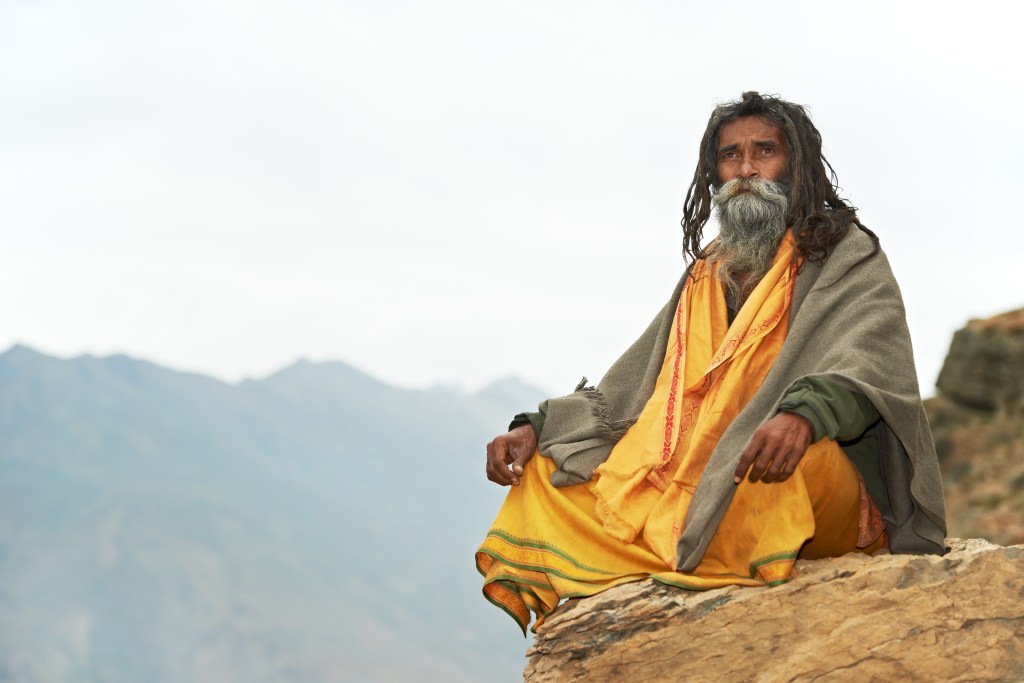
I was drawn to yoga when I heard it described as the “Science of the Mind.” This wasn’t about blind faith or dogma. It was about trying things out and seeing what worked. I kept only what resonated with me. That same spirit of experimentation drew me to dharma. In ancient Indian texts, dharma was the set of principles used to guide sovereigns in ruling wisely. And, after facing cancer, I came to realize I was my own “sovereign” in the truest sense. Cancer made one thing clear: every choice I made came with consequences, and only I could walk that journey. I wanted my decisions to be rooted in wisdom, not fear. I realised life was short, and prior to this, I was not really fulfilling my potential.

For me, dharma has been less of a rulebook and more of a compass, as Simon Haas describes it. It’s a way to navigate life with purpose by holding close four principles: Truth, Purity, Non-Violence, and Discipline. I’m not here to tell anyone else how to live. I can say that these principles have offered me a lifeline when I needed one. Through the storms of cancer treatment and chronic pain, facing the haunting fears of recurrence, and learning to find peace in solitude, dharma has been a gentle guide back to myself. Here’s how each principle has shown up for me.


Truth: The Art of Being Honest with Myself

Truth sounds straightforward, right? Just be honest. But after a cancer diagnosis, honesty takes on a new level. I convinced myself for a while that I was okay, that I was moving forward without fear. But if I was honest, I was living with a constant, nagging worry about recurrence. Truth, I learned, isn’t about pretending to be fearless or always having it together—it’s about admitting when I don’t.

These days, Truth means being real about my fears and not burying them under a mask of “I’m fine.” Sometimes, that’s admitting I’m scared or that I’m not okay. By acknowledging what’s really going on, I can acknowledge it, notice how it makes me feel and let it go. Truth, as it turns out, has been a source of freedom for me. It allows space for the parts of myself that need compassion. This is much better than denial.


Purity: Clearing Out the Clutter to Find Peace

Purity isn’t about some impossible level of perfection; it’s about clarity. For me, this principle became vital as I learned to manage chronic pain. Pain is exhausting—mentally, emotionally, physically. If I let my mind fill up with resentment, it only worsens the situation. Adding frustration is like fueling an already intense fire.

So, Purity for me is about letting go of that mental clutter and simplifying. I make time each day to clear my thoughts through meditation or writing. I let go of the “extras” that don’t serve me. Even physically, I’ve pared down my space to include only things that bring some peace or joy. Creating this clarity doesn’t make the pain go away. However, it allows me to be present with it. Instead of getting lost in the fog of frustration, I can face it directly. When I keep things clear, I feel a bit more in control. I feel this way even when the pain is out of my hands.


Non-Violence: Treating Myself with Kindness (and Forgiving the Not-So-Great Days)

Non-Violence, or Ahimsa, has been a real journey. It’s about compassion, both toward others and myself. This hasn’t come easily for me, especially when it comes to loneliness. Loneliness can make even the most grounded person feel off-kilter. But I’ve found that when I practice Non-Violence toward myself, I can transform loneliness into solitude. Solitude becomes a place where I can grow and find meaning instead of just feeling isolated.

Some days, that means I let myself rest rather than pushing through. Other days, it’s letting myself feel what I’m feeling without layering on guilt or criticism. And yes, some days it’s as simple as reaching out to a friend. I don’t have to sit with the feeling that I need to do it all alone. Non-Violence reminds me that I deserve kindness, even on the hardest days. This is one of the most powerful lessons I’ve found in dharma.


Discipline: Showing Up for Myself, No Matter What

Discipline used to feel rigid, all about self-control and willpower. But these days, discipline feels softer, like a commitment to myself. After cancer, I needed to rebuild my routines, to show up in ways that nurtured rather than depleted me. Discipline became my way of finding stability in the chaos.

Keeping a bedtime routine, doing my yoga, or sticking to my morning tea ritual are acts of discipline. They remind me I’m worth the effort. The small choices matter. Each one builds on the other. They create a foundation I can rely on even when life throws a curveball. Discipline isn’t about being harsh with myself. It’s about staying consistent with the things that help me feel grounded and whole. Over time, discipline enables freedom.


Living by Dharma as a Gentle Guide

As Haas explains, Dharma isn’t about rules. It’s more of a framework, a gentle guide that brings clarity and helps me focus on what really matters. I’m not here to preach. I won’t tell anyone else what to do. These four principles have offered me something I desperately needed: a way to live with intention. They help me stay present, choose peace over chaos, and show myself some compassion in the process.

The real beauty of dharma is that it doesn’t demand perfection. Some days I’ll nail it, and other days? Well, we all have those days. I realign with Truth, Purity, Non-Violence, and Discipline. Then I feel like I’m steering my life more purposefully. Life won’t ever be perfectly smooth. However, it feels a little lighter. It feels a little clearer. Life becomes much more manageable when I have these principles as my compass.


Finding Your Own Path

As Simon Haas explains, the power of dharma truly shines when all four principles—Truth, Purity, Non-Violence, and Discipline—work together, supporting each other to create a balanced and purposeful life. Each principle reinforces the others, guiding us to make choices with integrity, clarity, compassion, and commitment. If you’re curious about dharma, try engaging with each principle in small, manageable ways, observing how they resonate and complement each other in daily life. Or, you could read the book! The Book Of Dharma

You don’t need to dive in all at once; just allow these principles to be gentle reminders, guiding you towards choices that feel aligned. And if you feel like sharing, I’d love to hear how these ideas shape your journey. What practices or perspectives help you navigate your own path? Drop a comment below—I’d love to learn from your experiences, too. After all, we’re all finding our way, one choice at a time.

The Power of Rituals—Bringing Structure to Spirituality

Hello, dear readers! Today, we’re diving into a topic that has truly transformed my life: rituals. Now, I know what you might be thinking—rituals? Aren’t those reserved for ceremonies or something mystical? Well, yes and no. Rituals, in the way I practice them, are about creating small moments of intention in the day-to-day—a way to bring both structure and spirituality into this wonderfully chaotic journey we call life.

Why Rituals Matter

For most of my adult life, I ran on routines. Wake up, get the kids ready, work, cook dinner, sleep, rinse, repeat. The routines kept life organized and predictable, and, if I’m honest, I often felt like I was on autopilot. Looking back, it’s as if life happened, and I hardly even noticed because I was so busy with the day-to-day. But once the nest was empty, those routines became redundant and meaningless. I needed more than structure— connection, purpose, and calm. And that’s when I realized rituals could bring something new: balance between my rational mind and my spiritual heart.

Rituals are more than just habits—they are sacred moments woven into our daily lives, filled with purpose and intention. They invite us to slow down, to indeed be present, and to transform the ordinary into something beautiful. For someone like me, who often gets lost in the details and the constant hum of analysis, rituals have become a lifeline—offering stability amidst chaos while nurturing the deeper, more tender parts of myself. They remind me that life isn’t just about productivity; it’s about connection, purpose, and finding grace in even the most minor actions.

Morning Rituals: Setting the Tone for the Day

Something about the morning makes it the perfect time to bring a sense of intention into your day. I’ll admit, there was a time when my mornings consisted of hitting snooze three times before frantically scrambling to start the day. But now, I’ve transformed those early hours into a sacred time, and it’s made all the difference.

1. Morning Journaling
One of the most grounding rituals I’ve adopted is morning journaling. It doesn’t have to be anything profound—I simply sit down with a cup of tea (more on that later) and write whatever comes to mind. Some days, it’s a gratitude list. Other days, it’s a brain dump of all the worries and to-dos circling in my head. Occasionally, it’s just a description of the weather outside.

For my analytical side, journaling is a way to organize my thoughts, put those racing ideas on paper, and see them from a distance. For the spiritual side, it’s a way to connect with my inner self, to ask, “What do I need today?” and “How can I be kind to myself?” It’s a practice that brings me back to the present, where everything is a little more manageable.

2. Meditation and Breathwork
After journaling, I take a few minutes to meditate. I’m not talking about hours in the lotus position—just ten to twenty minutes of focused breathing or sitting quietly with my thoughts. Nadi Shodhana (alternate nostril breathing) is my go-to. It helps calm my mind, balancing my brain’s rational and creative sides and bringing a sense of equilibrium before the day’s demands begin.

Meditation allows me to feel the connection between my mind and body, creating a moment of stillness in what is often a whirlwind. For someone who leans into analytical thinking, it’s not about “finding zen”—it’s about creating mental space, giving my mind the rest it needs to tackle the day with clarity and focus.

3. Setting Intentions
Before officially starting the day, I take a moment to set an intention. It might be as simple as “I will be patient today” or “I will stay present.” Setting an intention makes me feel like I have some control over navigating the day, even if I can’t control what happens. For my rational side, it’s like programming a mantra that guides my actions. For the spiritual side, it’s a reminder that I get to choose how I show up, no matter what the world throws at me.

Evening Rituals: Closing the Day with Calm

Just as the morning sets the tone, the evening offers a time to reflect and release. I used to end my days exhausted, scrolling endlessly through my phone, hoping that would help me unwind. Spoiler alert: it didn’t. I was left overstimulated, with a racing mind that refused to let me sleep. That’s when I knew I needed to end the day differently—with rituals that would help me close the chapter with intention.

The Ultimate Wind-Down: Tea, Gratitude, and Unplugging

When it comes to protecting my sleep, I don’t mess around. Post-cancer, sleep became my top priority. After reading Matthew Walker’s “Why We Sleep,” I realized how crucial it is and permitted myself to treat sleep as a sacred gift. My go-to? Herbal leaf tea.

Step 1: Tea as the Ultimate Ritual

My sleep ritual begins with the kettle. Boiling water isn’t just part of the process anymore—it’s my signal to wrap up the day. I turn off the lights, light a candle, and let the quiet settle in. The soft hum of the kettle heating up is like a gentle reminder to unplug from the day’s chaos.

As the water boils, I mentally run through my gratitude list. No need for a journal—just a quiet reflection. I think about three things that went well. Some days, it’s big stuff like a supportive friend. On other days, I’m just grateful I didn’t spill the tea leaves all over the kitchen. It’s my time to appreciate that, even in the chaos, there’s always something to hold onto.

Selecting my tea feels almost ceremonial. I choose my herbal blend, like greeting an old friend—delicate, calming, exactly what I need. I watch the leaves fall softly into the pot, transforming the simple act of making tea into something meditative. When the 80-degree water (because, yes, we’re fancy now) pours over the leaves, I watch them swirl and release their calming aromas.

Step 2: Gratitude and Unplugging, Tea in Hand

As the tea steeps, I’ve already begun unplugging. No screens, no doomscrolling. This is my moment to disconnect. I might grab a book, sit by the window, or close my eyes and breathe. With its rising steam, the tea becomes the centrepiece of my unwinding ritual. It’s not about rushing—it’s about letting the tea do its thing while I take a moment to unwind.

By now, my gratitude list is fully formed. I’ve acknowledged the small wins of the day, like that perfect cup of coffee or the fleeting sunshine. It’s a simple reflection but enough to shift my mood from stressed to serene.

Step 3: Sipping into Serenity

When the tea is ready, that first sip is like a reward for making it through the day. The warmth in my hands and the soothing flavours tell my body, “You’ve done enough.” The steam is like a soft hug, signalling to my brain that the work is over and it’s time to rest.

This ritual—tea, gratitude, and unplugging—has become my nightly grounding practice. By the time I finish my cup, I’m already halfway asleep. It’s not just about the tea; it’s about carving out space for myself, acknowledging the good, and transitioning into rest mode.

Rituals as Bridges Between Rationality and Spirituality

Rituals bridge the gap between our need for structure and our desire for connection. They bring predictability to the day, which soothes the rational mind. They also invite mindfulness and reflection, nurturing the spiritual side. Rituals remind us that we’re more than just “doers”—we are beings capable of deep connection with ourselves and the world around us.

For analytical thinkers, rituals provide a sense of control—structuring the day to reduce stress and bring clarity. But they also invite surrender, presence, and a moment to simply be. This balance is why rituals are essential to my life and why I encourage you to try them.

Create Your Own Rituals

Here are a few simple ideas to help you create rituals that bring structure and spirituality into your day:

  • Morning Gratitude: Before getting out of bed, think of one thing you’re grateful for. Start the day on a positive note and notice the shift in perspective.
  • Mindful Breaks: Set a timer during the day to take a breath, stretch, or check in with yourself. A simple way to bring mindfulness into a busy schedule.
  • Evening Reflection: Before bed, reflect on the best part of your day. Let it be the last thought before sleep, fulfilling the day.

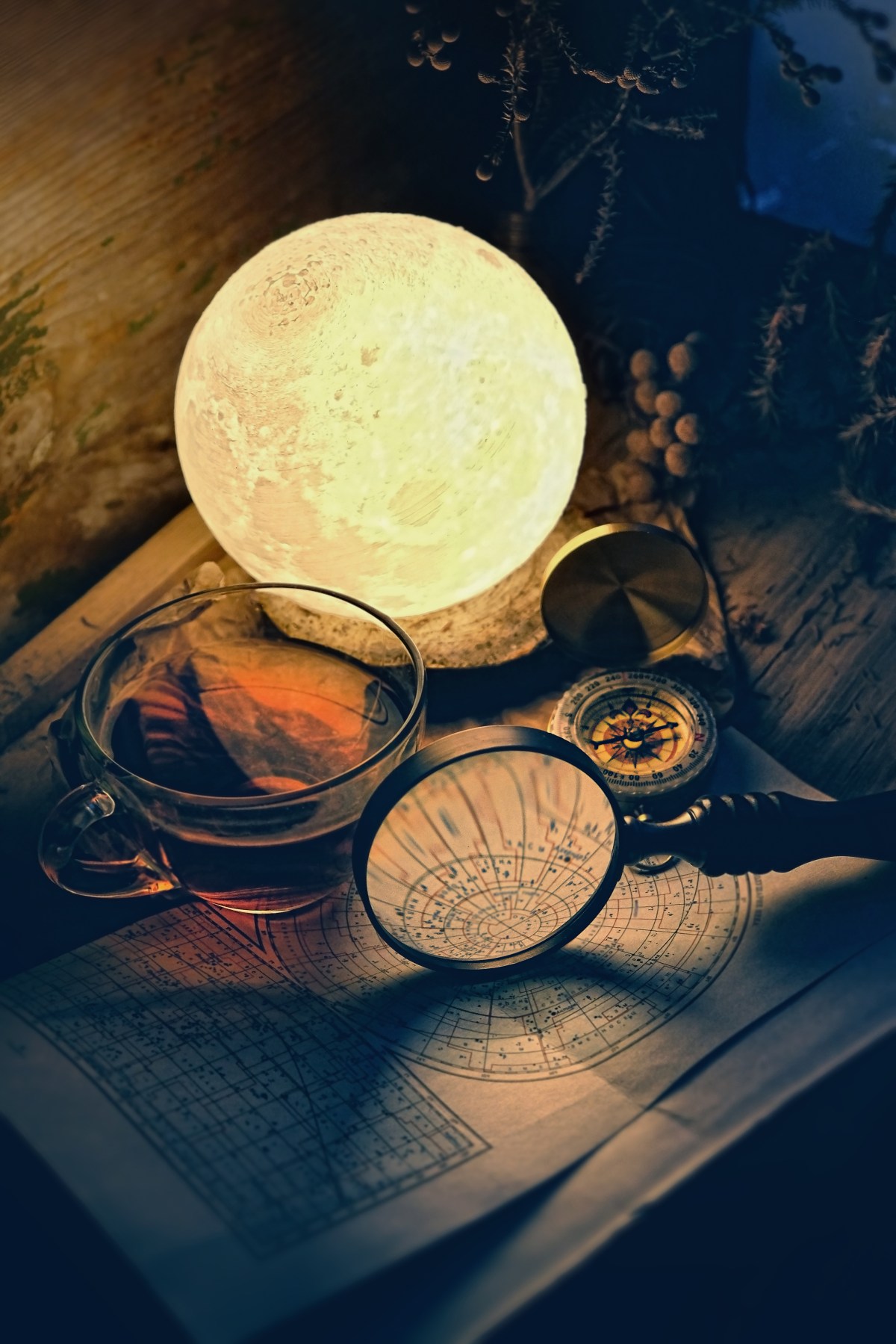
Moon Cycles: Create rituals that align with the moon’s phases. For the new moon, set fresh intentions and be grateful for the lessons coming for your highest self. During the full moon, practice reflection and prepare to release anything that no longer serves you as the moon is emptying.

Seasonal Shifts: Welcome each new season with a ritual. For example, in the winter, light candles, journal what you wish to nurture within yourself and begin a new creative course online or locally. In the spring, plant something, be it seeds or intentions, and watch them grow.

Birthday Rituals: Your birthday is the perfect time for a yearly ritual. Set
intentions for the coming year, reflect on the past year’s lessons, and perhaps even create a self-care ritual to celebrate yourself.

Rituals don’t have to be complicated or time-consuming. They just have to be intentional. In that intention, they create balance—a way to connect the rational with the spiritual, the structure with the flow, and the mind with the heart.

Here’s to making space for rituals that calm the mind, nurture the soul, and bring a little sacredness to our daily routines.


The Balance Between Rationality and Spirituality: Finding My Zen in a Spreadsheet

Hello, lovely readers! Today, we will dive into something that sounds like a contradiction but has somehow become my secret weapon: balancing rationality and spirituality. I know—it sounds like I’m trying to merge a calculator with a meditation cushion. And honestly? I am. But stick with me, because there’s some magic in finding the sweet spot between the two.

Data vs. Dharma: Why Not Both?

For most of my life, I thought I had to choose. I could be rational, data-driven, efficient—crunching numbers and organizing life with spreadsheets, knowing exactly how many grams of protein I ate that day and how many steps I took. Or I could be spiritual—connected, intuitive, meditating in the mornings and practicing yoga at sunset, finding meaning in the flow of life without needing it all quantified.

But then I realized something radical: why not both? Why couldn’t I be the Yogi CFO who finds peace in both a deep breath and a well-organized Excel sheet? And that’s where this journey really began—finding the balance between the data-driven part of me and the spiritual seeker. Because the truth is, rationality and spirituality aren’t opposites—they complement each other beautifully if you let them.

The Mood Tracker That Became My Meditation Partner

Take, for example, my trusty mood tracker. If you’re thinking this sounds like something a Type-A personality would come up with, you’re absolutely right. I wanted to understand my moods, to see if there were patterns, to make sense of the ebb and flow of emotions that seemed to have no rhyme or reason—especially after chemo and the hormonal rollercoaster of early menopause.

So, I made myself a simple mood tracker. Each day, I rated my mood from 1 to 10 and wrote down a few notes about what was happening—stressful work deadlines, a good yoga session, an argument with the toaster (you know, the usual). It wasn’t fancy, but it was honest. And after a few months, I started to notice something: there were patterns. My best days weren’t the ones where everything went perfectly—they were the ones where I had made time for myself, to breathe, to move, to be still.

And that’s when the magic happened. I started integrating my yoga and meditation practices with my data. I noticed that on the days I took even 10 minutes to do some simple breathing exercises—Nadi Shodhana (alternate nostril breathing) or 4-7-8 breath—my mood improved. When I practiced yoga, especially gentle or restorative poses like Legs Up the Wall, I slept better. The data wasn’t just numbers—it was telling me the story of what I needed to feel balanced, whole, and genuinely myself.

Using Data to Deepen Spiritual Practice

You might be thinking, “That’s great, but doesn’t tracking everything take away from the spiritual side?” Surprisingly, no. If anything, it deepened my practice. I found myself using my mood tracker not just to analyze but to reflect. On the days when my mood dipped, I’d ask myself why—and then I’d use that knowledge to make changes. If I saw that I was consistently feeling low after skipping meditation for a few days, it was like a gentle nudge from my data-driven self to get back on the mat.

And when things were going well, the tracker became a celebration of the little wins—a reminder that when I showed up for myself, when I breathed, moved, and connected, it made a difference. The rational side of me loved seeing the trends, and the spiritual side loved the reminder that taking care of myself was, in itself, a form of meditation.

A Practical Example: Bringing It All Together

Here’s how it works in practice: every morning, I start with a few minutes of meditation, just sitting quietly with my breath. After that, I open my mood tracker, rate how I’m feeling, and jot down a few notes—anything from “Slept terribly” to “Feeling grateful for the sunshine.” It’s simple, but it’s powerful.

Then I move. Some days it’s yoga—a gentle flow or some restorative poses. Other days, it’s a walk in the garden or a few stretches while I wait for the kettle to boil. And every week, I look back at my tracker. If I notice a dip, I use it as a cue to ask myself: have I been skipping my meditation? Have I been spending too much time worrying about things I can’t control?

This balance of rationality and spirituality has become my compass. The data helps me see what’s working, what’s not, and where I need to focus. The spiritual practice helps me connect, breathe, and remember that not everything needs to be fixed—sometimes it just needs to be felt.

Tips for Balancing Rationality and Spirituality in Your Life

If you’re ready to give this a try, here are some tips to help you find your own balance:

  1. Start a Simple Tracker: You don’t need an app or anything fancy (although if you have an iPhone, the Health App included has an easy-to-use mood tracker built right in). No smartphone? A notebook will do. Each day, rate your mood from 1 to 10 and write down a few notes—what you did, how you felt, and any significant events. It’s not about over-analyzing; it’s about noticing patterns.
  2. Integrate Breathwork: Try Nadi Shodhana or 4-7-8 breathing. Set aside five minutes each day—morning, evening, whenever you can. Notice how your body feels before and after, and make a note in your tracker. Let the data tell you what works.
  3. Move Mindfully: Yoga is a beautiful bridge between rationality and spirituality. Poses like Legs Up the Wall are easy, restorative, and don’t require you to be flexible or fancy. Just give yourself that time to move and breathe.
  4. Reflect, Don’t Obsess: The goal isn’t to track every detail of your life or to force yourself into rigid routines. It’s about using the information you gather to help you understand yourself better, and to be gentle when things don’t go perfectly.

The Beauty in Balance

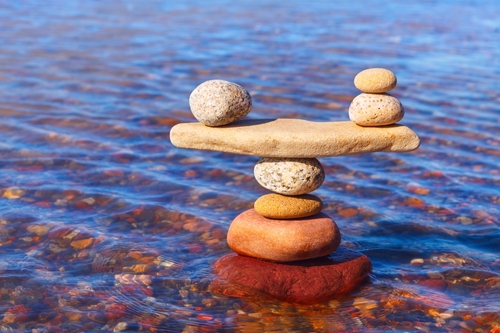
Balancing rationality and spirituality isn’t about choosing one over the other. It’s about letting them dance together. It’s using data to help guide your spiritual growth and letting spirituality bring depth and meaning to the numbers. It’s giving yourself the tools to understand and the space to simply be.

So here’s to finding that balance—where the spreadsheet meets the meditation cushion, and where we learn that data and dharma aren’t at odds, but rather two sides of the same beautifully balanced coin.