
Travel for Self-Exploration: A Walk, A Tuk Tuk, and a Bargain Henna Tattoo

There’s something about stepping into a foreign country that forces you to take a good, hard look at yourself. Maybe it’s the jarring unfamiliarity—the sights, smells, and sounds that make you acutely aware of how far you are from your comfort zone. Or maybe it’s the unexpected moments, the small but profound ones, that reveal parts of yourself you didn’t even know needed revealing. Either way, travel has a way of turning introspection into a full-time hobby.

Even though I’m here in India with two incredible women and part of a lively 12-person touring group, I’ve found that travel leaves plenty of room for self-reflection. And let’s be honest—it’s not all serene meditation and moments of spiritual awakening. There’s also the “Why did I pack three pairs of shoes when I’ve only worn two?” type of realization and the “Is that Brahman cow judging me?” moment of self-awareness. Spoiler alert: it probably was.

The Morning “Getting Lost Walk”

Every holiday we take starts with the same ritual: a “getting lost walk.” It’s less about having a plan and more about wandering with the vague intention of familiarizing ourselves with the area. Today’s quest? To find a banyan tree. That’s it. Simple, right?

Well, not exactly. The banyan tree remained stubbornly elusive, but the walk rewarded us in other ways. First, there were the squirrels—dozens of them darting around, chattering, and occasionally pausing to give us what I can only describe as judgmental looks. Then, there was the lone ferret, who seemed entirely unbothered by our presence, as if ferrets in city streets were the most normal thing in the world.

And of course, there were the dogs. A veritable parade of strays in every shape and size, each with their own personality. Some trotted confidently as if they owned the streets, others lounged lazily in patches of sunlight, and one sat under a makeshift stall as if waiting for a chai latte. Amongst them were the obvious exceptions—two dogs wearing jackets advertising that they were definitely not strays. Their smug air practically screamed, “I have a family. Do you?”

To top it all off, we stumbled upon a magnificent Brahman cow lounging regally amongst a pile of rubbish down a narrow alley. There was something almost poetic about its presence—majestic and serene in the chaos of its surroundings, like a meditating monk who just happened to be surrounded by discarded plastic bottles.

The Map Said 4.5km… Lies, All Lies

Buoyed by our morning wander, we decided to take on an even bigger adventure in the afternoon: walking 4.5 kilometers to Lajpat Nagar Central Market from our bed-and-breakfast in Hauz Khas. The map made it look like a breezy stroll. Spoiler alert: it wasn’t.

Navigating the streets was like a real-life game of Frogger, dodging cars, bikes, cows, and the occasional enthusiastic honk from a passing tuk tuk. By the time we arrived, sweaty and slightly frazzled, we were questioning our decision-making skills. But the market? Worth every step. Vibrant fabrics, stunning traditional Indian clothing, and the kind of sensory overload that leaves you equal parts exhausted and exhilarated.

I even treated myself to a henna tattoo for the equivalent of AUD $4. Four dollars! At that price, I briefly considered covering my entire arm, but common sense prevailed (barely). It’s intricate, beautiful, and a temporary reminder of a day that was as chaotic as it was unforgettable.

The Tuk Tuk Ride: Chaos Meets Adventure

After three hours of market wandering (and acquiring more treasures than our bags could possibly hold), the idea of walking back was laughable. Enter: the tuk tuk.

Our driver was a magician behind the wheel, deftly navigating Delhi’s organized chaos with a mix of confidence, daring, and what I can only assume was divine intervention. We clung to the sides, laughing and shrieking as we zipped past traffic, potholes, and pedestrians. At one point, I’m fairly certain we grazed a guy on a motorbike, but neither the driver nor he seemed remotely fazed. By the time we made it back, we were windblown, exhilarated, and holding onto our market loot like victorious treasure hunters.

Packing, Repacking, and Life Lessons

Travel is a masterclass in letting go—literally and figuratively. Every morning, I repack my bag, trying to create some semblance of order. Meanwhile, one of my travel buddies spent an hour carefully reorganizing her suitcase today to make room for a traditional dress she couldn’t resist. Watching her was like watching a sculptor at work, each fold and placement deliberate. Meanwhile, I’m over here cramming scarves into every available crevice and hoping the zippers hold.

But here’s the thing: travel teaches you to strip life down to essentials. You carry what you need, and you learn to let go of the rest—whether it’s physical clutter or the mental kind that weighs you down. And isn’t that what life is all about? (Okay, maybe not the part where I bought yet another scarf, but let’s focus on the metaphor here.)

Travel: The Ultimate Mirror

Travel isn’t just about seeing new places; it’s about seeing yourself in new ways. Today’s adventures—our “getting lost walk,” the market trek, and the tuk tuk thrill ride—reminded me that the joy of travel lies in its unpredictability. It pushes you out of your comfort zone, challenges you to adapt, and forces you to laugh at the absurdity of it all.

So, here’s to the stray dogs, the regal Brahman cow, the $4 henna tattoo, and the lessons travel teaches us along the way. Here’s to tuk tuk rides that leave you breathless and moments that remind you how alive you really are. And most of all, here’s to finding joy, chaos, and clarity—one “getting lost walk” at a time.
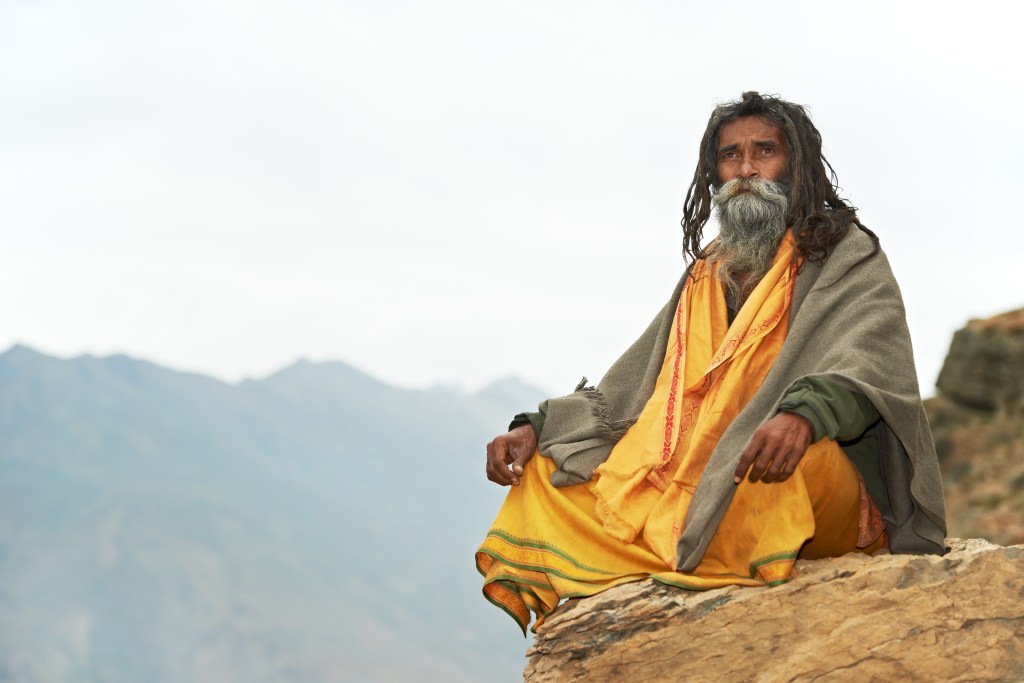

The Balance Between Rationality and Spirituality: Finding My Zen in a Spreadsheet

Hello, lovely readers! Today, we will dive into something that sounds like a contradiction but has somehow become my secret weapon: balancing rationality and spirituality. I know—it sounds like I’m trying to merge a calculator with a meditation cushion. And honestly? I am. But stick with me, because there’s some magic in finding the sweet spot between the two.

Data vs. Dharma: Why Not Both?

For most of my life, I thought I had to choose. I could be rational, data-driven, efficient—crunching numbers and organizing life with spreadsheets, knowing exactly how many grams of protein I ate that day and how many steps I took. Or I could be spiritual—connected, intuitive, meditating in the mornings and practicing yoga at sunset, finding meaning in the flow of life without needing it all quantified.

But then I realized something radical: why not both? Why couldn’t I be the Yogi CFO who finds peace in both a deep breath and a well-organized Excel sheet? And that’s where this journey really began—finding the balance between the data-driven part of me and the spiritual seeker. Because the truth is, rationality and spirituality aren’t opposites—they complement each other beautifully if you let them.

The Mood Tracker That Became My Meditation Partner

Take, for example, my trusty mood tracker. If you’re thinking this sounds like something a Type-A personality would come up with, you’re absolutely right. I wanted to understand my moods, to see if there were patterns, to make sense of the ebb and flow of emotions that seemed to have no rhyme or reason—especially after chemo and the hormonal rollercoaster of early menopause.

So, I made myself a simple mood tracker. Each day, I rated my mood from 1 to 10 and wrote down a few notes about what was happening—stressful work deadlines, a good yoga session, an argument with the toaster (you know, the usual). It wasn’t fancy, but it was honest. And after a few months, I started to notice something: there were patterns. My best days weren’t the ones where everything went perfectly—they were the ones where I had made time for myself, to breathe, to move, to be still.

And that’s when the magic happened. I started integrating my yoga and meditation practices with my data. I noticed that on the days I took even 10 minutes to do some simple breathing exercises—Nadi Shodhana (alternate nostril breathing) or 4-7-8 breath—my mood improved. When I practiced yoga, especially gentle or restorative poses like Legs Up the Wall, I slept better. The data wasn’t just numbers—it was telling me the story of what I needed to feel balanced, whole, and genuinely myself.

Using Data to Deepen Spiritual Practice

You might be thinking, “That’s great, but doesn’t tracking everything take away from the spiritual side?” Surprisingly, no. If anything, it deepened my practice. I found myself using my mood tracker not just to analyze but to reflect. On the days when my mood dipped, I’d ask myself why—and then I’d use that knowledge to make changes. If I saw that I was consistently feeling low after skipping meditation for a few days, it was like a gentle nudge from my data-driven self to get back on the mat.

And when things were going well, the tracker became a celebration of the little wins—a reminder that when I showed up for myself, when I breathed, moved, and connected, it made a difference. The rational side of me loved seeing the trends, and the spiritual side loved the reminder that taking care of myself was, in itself, a form of meditation.

A Practical Example: Bringing It All Together

Here’s how it works in practice: every morning, I start with a few minutes of meditation, just sitting quietly with my breath. After that, I open my mood tracker, rate how I’m feeling, and jot down a few notes—anything from “Slept terribly” to “Feeling grateful for the sunshine.” It’s simple, but it’s powerful.

Then I move. Some days it’s yoga—a gentle flow or some restorative poses. Other days, it’s a walk in the garden or a few stretches while I wait for the kettle to boil. And every week, I look back at my tracker. If I notice a dip, I use it as a cue to ask myself: have I been skipping my meditation? Have I been spending too much time worrying about things I can’t control?

This balance of rationality and spirituality has become my compass. The data helps me see what’s working, what’s not, and where I need to focus. The spiritual practice helps me connect, breathe, and remember that not everything needs to be fixed—sometimes it just needs to be felt.

Tips for Balancing Rationality and Spirituality in Your Life

If you’re ready to give this a try, here are some tips to help you find your own balance:

  1. Start a Simple Tracker: You don’t need an app or anything fancy (although if you have an iPhone, the Health App included has an easy-to-use mood tracker built right in). No smartphone? A notebook will do. Each day, rate your mood from 1 to 10 and write down a few notes—what you did, how you felt, and any significant events. It’s not about over-analyzing; it’s about noticing patterns.
  2. Integrate Breathwork: Try Nadi Shodhana or 4-7-8 breathing. Set aside five minutes each day—morning, evening, whenever you can. Notice how your body feels before and after, and make a note in your tracker. Let the data tell you what works.
  3. Move Mindfully: Yoga is a beautiful bridge between rationality and spirituality. Poses like Legs Up the Wall are easy, restorative, and don’t require you to be flexible or fancy. Just give yourself that time to move and breathe.
  4. Reflect, Don’t Obsess: The goal isn’t to track every detail of your life or to force yourself into rigid routines. It’s about using the information you gather to help you understand yourself better, and to be gentle when things don’t go perfectly.

The Beauty in Balance

Balancing rationality and spirituality isn’t about choosing one over the other. It’s about letting them dance together. It’s using data to help guide your spiritual growth and letting spirituality bring depth and meaning to the numbers. It’s giving yourself the tools to understand and the space to simply be.

So here’s to finding that balance—where the spreadsheet meets the meditation cushion, and where we learn that data and dharma aren’t at odds, but rather two sides of the same beautifully balanced coin.