
Yoga for Analytical Thinkers: Finding Focus and Reducing Stress

It is way past my normal bedtime, and here I am, wide awake, staring at the ceiling. Do you ever have those nights where no matter what you do, sleep just won’t come? Thankfully, it doesn’t happen to me often, but I’ve noticed it tends to occur when there’s a full moon. Now, I’m not saying I’ve become a werewolf (yet), but I swear there’s more noise outside when the moon is out in full force. Animals and birds seem to be having some kind of nocturnal rave, and apparently, I’ve got the VIP ticket because I’m wide awake.

But instead of lying there overthinking why I didn’t get to bed on time or why the birds are more productive than me right now, I started thinking about how yoga and breathwork might actually save my overactive mind from itself. For analytical thinkers like us, the brain never seems to shut off, right? Whether it’s dissecting a conversation you had three days ago or planning your entire week at 2 a.m., the constant analysis can leave you stressed and scattered. But here’s the good news—yoga and pranayama (breathing techniques) can actually help hit the “pause” button on all that mental chaos.

So, let’s dive into some specific yoga poses and breathing techniques designed to benefit overthinkers like us. And trust me, you don’t need to wait for a full moon to start—though it does make for a nice excuse when you’re too wired to sleep!

Yoga Poses for Focus and Mental Clarity
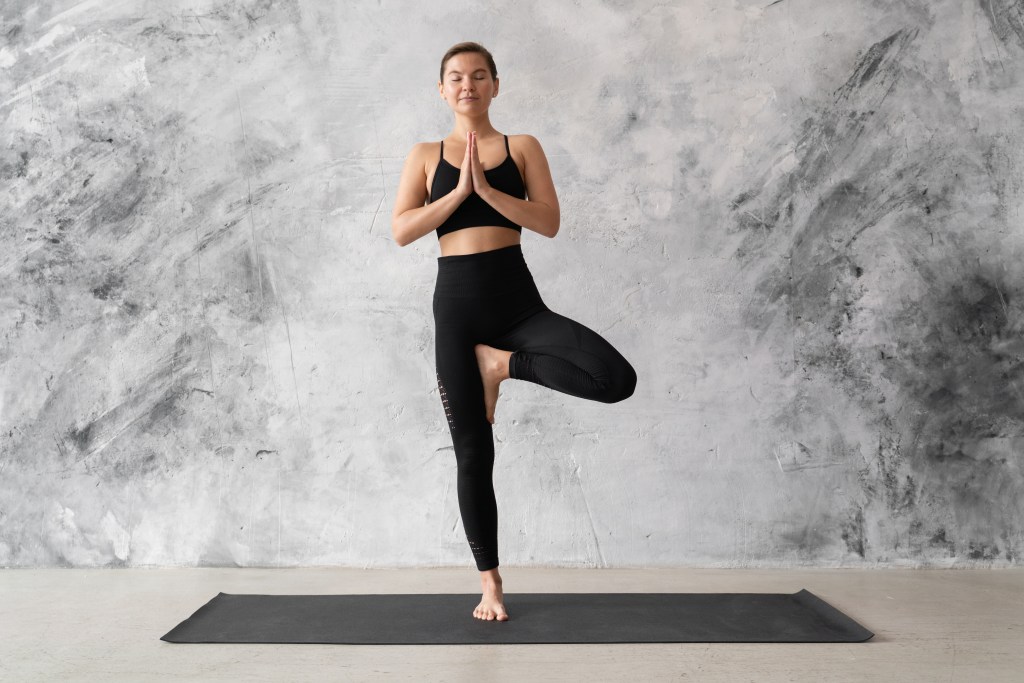
1. Tree Pose (Vrikshasana)

Okay, picture this: you’re standing on one leg, trying not to topple over while balancing your mental to-do list. Welcome to Tree Pose. This posture forces you to focus because if your mind wanders, you’ll end up wobbling like a palm tree in a storm. Balancing on one leg brings you right back into the present moment, dragging your mind out of its rabbit hole and into the now.

How to do it:

  • Stand tall with your feet together.
  • Shift your weight onto your right foot, lifting your left foot and placing it on your inner thigh (or calf if you’re feeling less adventurous—just avoid the knee).
  • Bring your hands together at your chest or raise them above your head like a tree’s branches.
  • Hold and breathe, focusing on a point in front of you to keep your balance.

Benefits for analytical thinkers: By sharpening concentration and pulling your attention into the present moment, Tree Pose helps you step out of the constant swirl of overthinking and regain clarity. It’s great for grounding yourself when your mind feels like it’s on a runaway train.

2. Eagle Pose (Garudasana)

Next up is Eagle Pose, which is like the “pretzel” of yoga. This one challenges you to wrap your limbs around each other and balance, which—spoiler alert—requires your brain to focus on something other than that random email from last week. The twisty nature of this pose helps you focus on alignment and breath, making it a great way to mentally declutter.

How to do it:

  • Stand tall and bend your knees slightly.
  • Lift your right leg and cross it over your left, wrapping your right foot around your left calf.
  • Cross your arms in front of you, with your right arm under your left, bringing your palms together (or back of hands if they don’t quite meet).
  • Hold and breathe, focusing on balance and breath.

Benefits for analytical thinkers: Eagle Pose works wonders for improving focus and mental clarity by forcing you to tune into your body. And if you’re mentally juggling a million things, this pose reminds you that sometimes it’s okay to untangle those thoughts, one twist at a time.

3. Seated Forward Fold (Paschimottanasana)
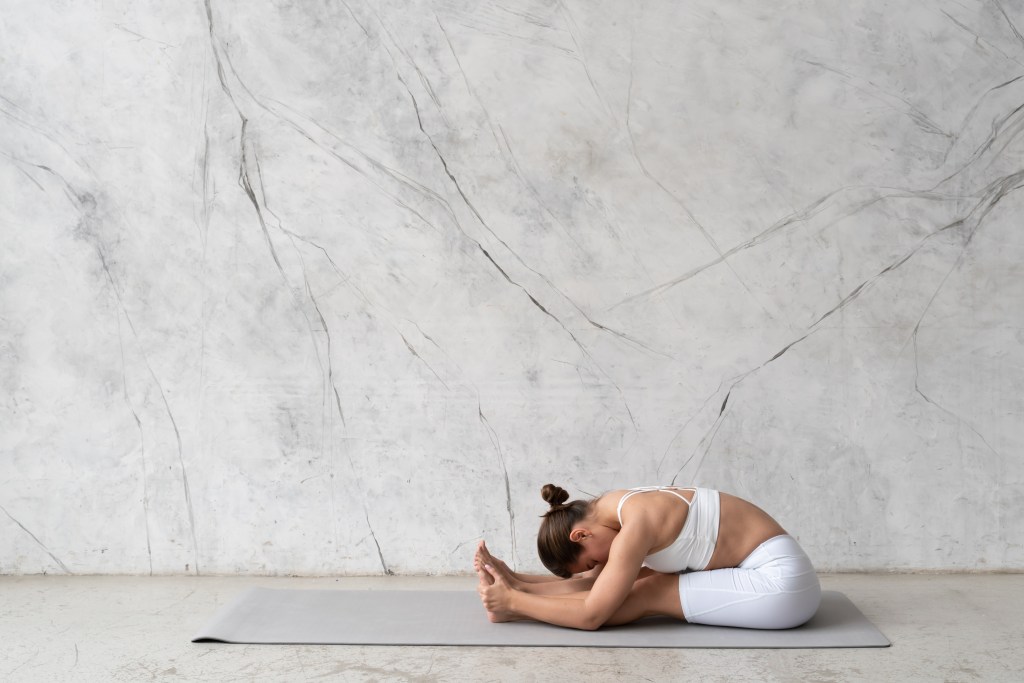
Now, let’s get a little introspective with Seated Forward Fold. This pose is like a warm hug for your brain. You fold forward, stretch out the body, and take a breather—perfect for those moments when your mind is doing Olympic-level overthinking. It’s a simple yet effective way to bring yourself back to center and slow down the mental hamster wheel.

How to do it:

  • Sit on the floor with your legs extended in front of you.
  • Inhale to lengthen your spine, and as you exhale, fold forward from your hips, reaching for your feet.
  • Let your head and neck relax, and breathe deeply.

Benefits for analytical thinkers: Seated Forward Fold calms the nervous system and encourages you to let go—both physically and mentally. It’s a great way to stretch out and reset when you’ve been in your head too long.

Breathing Techniques for Mental Clarity and Focus

1. Nadi Shodhana (Alternate Nostril Breathing)

I know we’ve talked about Nadi Shodhana before, but it deserves a spot here because it’s a lifesaver for calming a busy mind. By balancing the breath between both nostrils, you also balance the brain’s hemispheres—meaning you’ll feel a little less “all over the place” and a little more in sync.

How to do it:

  • Sit comfortably with your spine straight.
  • Use your right thumb to close your right nostril.
  • Inhale through your left nostril.
  • Close your left nostril with your ring finger, release your right, and exhale through your right nostril.
  • Inhale through your right nostril, close it, and exhale through the left.
  • Repeat for 5-10 rounds.

Benefits for analytical thinkers: This breathing technique is like a mental reset button. It clears out the clutter and helps you find focus, clarity, and calm, making it perfect for overthinkers who need to hit “pause” on the endless mind chatter.

2. Bhramari (Bee Breath)

Let’s be real—sometimes your mind just won’t shut up, and that’s where Bhramari, or Bee Breath, comes in. It’s one of the quickest ways to quiet mental noise. The gentle humming sound you make during this practice soothes the nervous system and helps reduce anxiety.

How to do it:

  • Sit comfortably and close your eyes.
  • Place your thumbs over your ears and gently rest your fingers on your eyelids (optional).
  • Inhale deeply, and as you exhale, make a humming sound like a bee.
  • Focus on the vibration in your head and throat.
  • Repeat for 5-7 breaths.

Benefits for analytical thinkers: Bee Breath is like a gentle massage for your brain. It helps calm an overactive mind, reduces anxiety, and clears mental tension—perfect for those days when you can’t stop replaying that awkward conversation from three days ago.

Final Thoughts

If you’re an analytical thinker, yoga and pranayama (breathwork) can be your secret weapon for finding focus and reducing stress. Poses like Tree Pose and Eagle Pose challenge you to focus, while breathing techniques like Nadi Shodhana and Bee Breath clear mental clutter and bring clarity. Yoga offers more than just physical benefits—it’s a way to reset the mind and calm the constant overthinking.

So, the next time your mind won’t quiet down (whether due to a full moon or just the general chaos of life), give these poses and breathing techniques a try. And if all else fails, you can always blame it on the birds outside.

Tags: #YogaForFocus, #MindBodyConnection, #RationalSpirituality, #MentalHealth, #CalmMind, #ClarityThroughYoga, #StressRelief

Data for Self-Awareness—Tracking the Unseen

After I was clearly on the road to recovery post-cancer, I decided to visit a nutritionist. She wasn’t just any nutritionist; I chose her because she could run tests and set a benchmark for my health—something concrete I could improve upon. During our session, I shared my story about being diagnosed with breast cancer after I’d ignored a lump the size of a child’s fist for who knows how long. I’ll never forget her reaction. She paused, looked at me, and said, “Wow! How disconnected from your body must you have been to forget about a lump that size?”

That comment struck me like a slap in the face. She was right. I had been completely disconnected from my body. I lived in my head—everything was logic, work, and routines. Get up, get dressed, feed the kids, look after my husband, go to work, pay the bills… rinse and repeat. I was on autopilot, and it was clear I had been ignoring my body’s signals for a long time. Looking back, the signs had been there, flashing like neon lights, but I didn’t see them—or rather, I chose not to.

Now, post-cancer, I had the chance to do better, and I was not going to waste it. Tracking became a crucial tool for me, not just as data for the sake of data, but as a visual reminder to tune in to my body—really listen this time. It wasn’t about obsessively measuring everything; it was about using that information to rebuild a connection I had lost. This body is our vehicle through life; if we learn to listen, the signals are there. The power of tracking is in the lessons it teaches us about those signals, guiding us to take better care of ourselves and live more consciously.

Why Track Your Well-Being?

Sadhguru’s Inner Engineering emphasizes the importance of awareness—being present and conscious of your body, mind, and energy. But here’s the thing: when you’re stuck in the daily grind, it’s easy to miss your body’s subtle signals. I ignored mine, and it nearly cost me everything. Tracking is a way to reawaken that awareness. It helps you pay attention to what’s happening under the surface—your mood, habits, sleep—and gives you the tools to see the patterns you might otherwise miss.

Tracking gives you a moment to pause, reflect, and say, “What’s going on here?” It’s not about micromanaging your life but about using data to reconnect with yourself—so you don’t end up on autopilot like I did. Once you understand the rhythms of your body and mind, tracking becomes less necessary, but initially, it can be a game-changer.

Practical Ideas for Data-Driven Self-Awareness

1. Mood Tracking: Listening to Your Inner State

When I was disconnected from my body, I barely noticed my emotions unless they hit me like a brick. Mood tracking is a way to get in touch with the fluctuations in your emotional state and start noticing the subtle shifts before they escalate. By logging your mood each day, you’ll start to see what’s impacting your well-being, whether it’s a bad night’s sleep, a stressful workday, or skipping your yoga practice.

As you track, patterns will start to emerge. You’ll notice that when you meditate, your mood improves. Or when you skip breakfast, you get irritable by lunchtime. Mood tracking helps you become aware of these patterns, so over time, you can simply feel what’s going on without needing the logbook. It’s a tool to help you learn how to listen.

How to Start:

  • Track your mood at different times of the day. It can be as simple as giving your mood a score from 1 to 10 and jotting down a few notes.
  • After a few weeks, look at the data and see if any trends stand out. What activities improve your mood? What drains you?
  • Eventually, you’ll no longer need to log the data because you’ll know what’s helping and hindering your emotional well-being based on how you feel.

2. Habit Tracking: Becoming Aware of Your Daily Actions

One thing Sadhguru teaches is the importance of bringing consciousness into everything we do. When we live unconsciously, we end up in patterns that may not serve us well—just like I ended up ignoring the signs from my body. Habit tracking brings those unconscious actions into the light. By tracking habits like daily yoga, mindful eating, or time spent outdoors, you become aware of what you’re doing and how it’s affecting you.

At first, it’s about accountability. You’re tracking to ensure you’re keeping up with habits supporting your health. But over time, as you learn to feel the impact of those habits, the tracking fades into the background. You’ll know if you’ve skipped your evening meditation because you’ll feel it—not because your app tells you.

How to Start:

  • Choose 2-3 habits that align with your well-being goals (meditation, drinking more water, going for a walk).
  • Track them daily. Did you do them? How did they make you feel?
  • After a few weeks, you’ll notice which habits have the most impact. The tracking will become less necessary once you’re in tune with your body.

3. Sleep Analysis: Learning to Honor Your Body’s Need for Rest

Sleep was one of the first areas I realized I had to take seriously after my cancer diagnosis. Sleep is when our body heals, but many don’t respect it—burning the candle at both ends and then wondering why we’re exhausted. Tracking your sleep can help you see how much rest you’re getting and what’s affecting your sleep quality.

If you’re consistently waking up tired, it could be that your late-night Netflix habit or caffeine intake is throwing off your natural rhythm. Over time, tracking your sleep helps you understand what your body needs to function well. And eventually, you’ll start to feel those cues without requiring a device to tell you.

How to Start:

  • Use a sleep tracker or journal to log how many hours you sleep, your quality of rest, and how you feel the next day.
  • Notice the patterns—do you feel more refreshed after an early bedtime? Does your energy dip if you stay up late?
  • Once you’re aware of how your body responds, you’ll naturally start to honour your need for rest without the need for constant tracking.

Bridging Data and Inner Awareness

The power of tracking isn’t in the data itself; it’s in the awareness that comes from it. I noticed how they all connected once I began tracking my mood, habits, and sleep. I learned to listen to my body in ways I hadn’t before. The more you practice, the more intuitive it becomes. Eventually, you won’t need to track every detail because you’ll feel when something’s off, just like I now know when I’m veering off course. Tracking is a tool to reconnect with yourself—but it’s not a crutch.

Sadhguru’s teachings remind us that true well-being comes from within. Once we develop the inner awareness to listen to our bodies, tracking is no longer required. But when life gets chaotic or when we feel out of sync, tracking is a tool we can return to for a recalibration—a way to check in and realign.

When to Track and When to Let Go

Tracking is like training wheels. It helps us recognise our actions, moods, and energy levels. But the goal is to eventually ride the bike without them. Once you identify the correlations between what you track and how you feel, you’ll know when your body needs rest, movement, or nourishment without requiring the data to confirm it.

But that doesn’t mean you never come back to it. If life gets out of balance, tracking can be a helpful way to realign and get back on track.

Final Thoughts

For me, tracking was a way to rebuild my connection with my body after cancer woke me up to how disconnected I had been. It was a tool for self-awareness, not just numbers on a screen. Whether you’re tracking mood, habits, or sleep, the purpose is to learn how to listen to your body and mind. Once you’ve deepened that awareness, you won’t need the data anymore—because you’ll already know what your body is telling you.

But here’s where I’d love to hear from you. I used to feel that if I stopped tracking, I’d failed at it—another task I hadn’t kept up with. How do you feel about letting go of tracking once you’ve learned the signals from your body? Does the idea of letting go feel liberating, or does it feel like losing control? Have you experienced that shift where you no longer need a tracker but can intuitively feel what your body needs?

I’d love to hear your thoughts and experiences! Let’s start a conversation about finding the balance between tracking and trust and becoming more deeply connected with ourselves.

The Power of Rituals—Bringing Structure to Spirituality

Hello, dear readers! Today, we’re diving into a topic that has truly transformed my life: rituals. Now, I know what you might be thinking—rituals? Aren’t those reserved for ceremonies or something mystical? Well, yes and no. Rituals, in the way I practice them, are about creating small moments of intention in the day-to-day—a way to bring both structure and spirituality into this wonderfully chaotic journey we call life.

Why Rituals Matter

For most of my adult life, I ran on routines. Wake up, get the kids ready, work, cook dinner, sleep, rinse, repeat. The routines kept life organized and predictable, and, if I’m honest, I often felt like I was on autopilot. Looking back, it’s as if life happened, and I hardly even noticed because I was so busy with the day-to-day. But once the nest was empty, those routines became redundant and meaningless. I needed more than structure— connection, purpose, and calm. And that’s when I realized rituals could bring something new: balance between my rational mind and my spiritual heart.

Rituals are more than just habits—they are sacred moments woven into our daily lives, filled with purpose and intention. They invite us to slow down, to indeed be present, and to transform the ordinary into something beautiful. For someone like me, who often gets lost in the details and the constant hum of analysis, rituals have become a lifeline—offering stability amidst chaos while nurturing the deeper, more tender parts of myself. They remind me that life isn’t just about productivity; it’s about connection, purpose, and finding grace in even the most minor actions.

Morning Rituals: Setting the Tone for the Day

Something about the morning makes it the perfect time to bring a sense of intention into your day. I’ll admit, there was a time when my mornings consisted of hitting snooze three times before frantically scrambling to start the day. But now, I’ve transformed those early hours into a sacred time, and it’s made all the difference.

1. Morning Journaling
One of the most grounding rituals I’ve adopted is morning journaling. It doesn’t have to be anything profound—I simply sit down with a cup of tea (more on that later) and write whatever comes to mind. Some days, it’s a gratitude list. Other days, it’s a brain dump of all the worries and to-dos circling in my head. Occasionally, it’s just a description of the weather outside.

For my analytical side, journaling is a way to organize my thoughts, put those racing ideas on paper, and see them from a distance. For the spiritual side, it’s a way to connect with my inner self, to ask, “What do I need today?” and “How can I be kind to myself?” It’s a practice that brings me back to the present, where everything is a little more manageable.

2. Meditation and Breathwork
After journaling, I take a few minutes to meditate. I’m not talking about hours in the lotus position—just ten to twenty minutes of focused breathing or sitting quietly with my thoughts. Nadi Shodhana (alternate nostril breathing) is my go-to. It helps calm my mind, balancing my brain’s rational and creative sides and bringing a sense of equilibrium before the day’s demands begin.

Meditation allows me to feel the connection between my mind and body, creating a moment of stillness in what is often a whirlwind. For someone who leans into analytical thinking, it’s not about “finding zen”—it’s about creating mental space, giving my mind the rest it needs to tackle the day with clarity and focus.

3. Setting Intentions
Before officially starting the day, I take a moment to set an intention. It might be as simple as “I will be patient today” or “I will stay present.” Setting an intention makes me feel like I have some control over navigating the day, even if I can’t control what happens. For my rational side, it’s like programming a mantra that guides my actions. For the spiritual side, it’s a reminder that I get to choose how I show up, no matter what the world throws at me.

Evening Rituals: Closing the Day with Calm

Just as the morning sets the tone, the evening offers a time to reflect and release. I used to end my days exhausted, scrolling endlessly through my phone, hoping that would help me unwind. Spoiler alert: it didn’t. I was left overstimulated, with a racing mind that refused to let me sleep. That’s when I knew I needed to end the day differently—with rituals that would help me close the chapter with intention.

The Ultimate Wind-Down: Tea, Gratitude, and Unplugging

When it comes to protecting my sleep, I don’t mess around. Post-cancer, sleep became my top priority. After reading Matthew Walker’s “Why We Sleep,” I realized how crucial it is and permitted myself to treat sleep as a sacred gift. My go-to? Herbal leaf tea.

Step 1: Tea as the Ultimate Ritual

My sleep ritual begins with the kettle. Boiling water isn’t just part of the process anymore—it’s my signal to wrap up the day. I turn off the lights, light a candle, and let the quiet settle in. The soft hum of the kettle heating up is like a gentle reminder to unplug from the day’s chaos.

As the water boils, I mentally run through my gratitude list. No need for a journal—just a quiet reflection. I think about three things that went well. Some days, it’s big stuff like a supportive friend. On other days, I’m just grateful I didn’t spill the tea leaves all over the kitchen. It’s my time to appreciate that, even in the chaos, there’s always something to hold onto.

Selecting my tea feels almost ceremonial. I choose my herbal blend, like greeting an old friend—delicate, calming, exactly what I need. I watch the leaves fall softly into the pot, transforming the simple act of making tea into something meditative. When the 80-degree water (because, yes, we’re fancy now) pours over the leaves, I watch them swirl and release their calming aromas.

Step 2: Gratitude and Unplugging, Tea in Hand

As the tea steeps, I’ve already begun unplugging. No screens, no doomscrolling. This is my moment to disconnect. I might grab a book, sit by the window, or close my eyes and breathe. With its rising steam, the tea becomes the centrepiece of my unwinding ritual. It’s not about rushing—it’s about letting the tea do its thing while I take a moment to unwind.

By now, my gratitude list is fully formed. I’ve acknowledged the small wins of the day, like that perfect cup of coffee or the fleeting sunshine. It’s a simple reflection but enough to shift my mood from stressed to serene.

Step 3: Sipping into Serenity

When the tea is ready, that first sip is like a reward for making it through the day. The warmth in my hands and the soothing flavours tell my body, “You’ve done enough.” The steam is like a soft hug, signalling to my brain that the work is over and it’s time to rest.

This ritual—tea, gratitude, and unplugging—has become my nightly grounding practice. By the time I finish my cup, I’m already halfway asleep. It’s not just about the tea; it’s about carving out space for myself, acknowledging the good, and transitioning into rest mode.

Rituals as Bridges Between Rationality and Spirituality

Rituals bridge the gap between our need for structure and our desire for connection. They bring predictability to the day, which soothes the rational mind. They also invite mindfulness and reflection, nurturing the spiritual side. Rituals remind us that we’re more than just “doers”—we are beings capable of deep connection with ourselves and the world around us.

For analytical thinkers, rituals provide a sense of control—structuring the day to reduce stress and bring clarity. But they also invite surrender, presence, and a moment to simply be. This balance is why rituals are essential to my life and why I encourage you to try them.

Create Your Own Rituals

Here are a few simple ideas to help you create rituals that bring structure and spirituality into your day:

  • Morning Gratitude: Before getting out of bed, think of one thing you’re grateful for. Start the day on a positive note and notice the shift in perspective.
  • Mindful Breaks: Set a timer during the day to take a breath, stretch, or check in with yourself. A simple way to bring mindfulness into a busy schedule.
  • Evening Reflection: Before bed, reflect on the best part of your day. Let it be the last thought before sleep, fulfilling the day.

Moon Cycles: Create rituals that align with the moon’s phases. For the new moon, set fresh intentions and be grateful for the lessons coming for your highest self. During the full moon, practice reflection and prepare to release anything that no longer serves you as the moon is emptying.

Seasonal Shifts: Welcome each new season with a ritual. For example, in the winter, light candles, journal what you wish to nurture within yourself and begin a new creative course online or locally. In the spring, plant something, be it seeds or intentions, and watch them grow.

Birthday Rituals: Your birthday is the perfect time for a yearly ritual. Set
intentions for the coming year, reflect on the past year’s lessons, and perhaps even create a self-care ritual to celebrate yourself.

Rituals don’t have to be complicated or time-consuming. They just have to be intentional. In that intention, they create balance—a way to connect the rational with the spiritual, the structure with the flow, and the mind with the heart.

Here’s to making space for rituals that calm the mind, nurture the soul, and bring a little sacredness to our daily routines.

Post-Menopause: Embracing the Transition with Grace (and a Little Dose of Incredulity)

Hello, wonderful readers! Today, I’m diving into one of the more unexpected chapters of my life—a chapter that begins with cancer, weaves through chemo, and somehow ends up with me in the midst of early menopause, trying to make sense of what exactly happened to my body. Spoiler alert: I didn’t even realize I was in menopause until I’d survived 18 months of treatment and was left standing in the aftermath, blinking at a whole new reality.

How Cancer Treatment Masked Menopause

When I was first diagnosed with breast cancer, it was like being dropped into survival mode. Everything became about getting through the next treatment, the next day, the next moment. My treatment involved neo-adjuvant chemotherapy, multiple surgeries, and radiation—the full works. And during that time, my body was put through the wringer in ways that I was too focused on survival to fully process. There was hair loss, nausea, exhaustion, and let’s not forget the side effects that made me feel like I was living in a perpetual sauna.

It turns out, I was also going through early menopause. But between the chemo and radiation, I didn’t have the bandwidth to tell the difference. Hot flashes? They felt like just another side effect, blending right in with the sweats and flushes that chemo threw my way. I was simply trying to stay alive, holding on for my boys, and if menopause had decided to join the party, well, I didn’t exactly have an RSVP list.

Post-Treatment Realization

It wasn’t until I finished the 18 months of life-saving treatment that the reality of menopause hit me. Suddenly, there was a stillness, a strange sense of “What now?” After months of focusing on fighting for my life, I was left with the quiet realization that my body had changed dramatically. The hot flashes were still there, but now they didn’t come with the label of chemo side effects. The sleep disturbances, mood swings, and bone-deep exhaustion were harder to ignore, no longer hidden beneath the noise of treatment.

But perhaps the biggest revelation came in the form of anxiety. After everything I’d been through, I was left feeling like I was constantly on edge—heart pounding, mind racing. A well-meaning counselor gently suggested that I was likely experiencing anxiety. I remember blinking at her, completely incredulous. “Really? You think?” I replied, unable to keep the sarcasm out of my voice. “I just thought I was Type A and highly efficient.”

It turns out, trying to stay alive for my boys had taken its toll. Anxiety had become my default mode, and the idea of adding more medication to my already lengthy regimen didn’t sit well with me. So, I did what I knew best—I started researching, and that’s when I stumbled upon meditation. The idea of finding calm without a prescription was too appealing to pass up, and that simple quest to manage anxiety without medication eventually led me to yoga.

Yoga: My Path Back to Balance

Yoga didn’t come into my life as a graceful calling. It arrived as a lifeline—a way to bring my body and mind back into some kind of balance after months of fighting just to stay alive. It was the start of reconnecting with a body I’d felt disconnected from for far too long.

Breathwork (Pranayama): One of the first things I learned was Nadi Shodhana—alternate nostril breathing. In a world that had felt chaotic and overwhelming, this simple practice brought a sense of control. It didn’t matter if the hot flashes were from menopause or remnants of chemo—what mattered was that I had a way to breathe through them, to find my way back to myself, one breath at a time.

Restorative Yoga Poses: Physically, my body was exhausted. Restorative yoga became my haven—gentle movements that allowed me to honor what my body had been through, rather than push it further. Legs Up the Wall was a nightly ritual, and Child’s Pose reminded me that sometimes, surrender is the strongest thing you can do. I needed rest, not rigor, and yoga gave me permission to take that rest without guilt.

Mantra Meditation: Emotionally, I was still on that rollercoaster—sometimes feeling deep gratitude, other times overwhelmed by the smallest things. Meditation gave me a new tool, and my mantra became “I am enough.” It was a simple statement, but after months of battling cancer and then facing menopause, it was exactly what I needed: a reminder that, in all my imperfection and struggle, I was still enough.

Tips for Embracing the Transition (Especially When You Didn’t See It Coming)

So, if you find yourself thrown into menopause when you least expect it—whether by chemo, life, or some other curveball—here are a few things that helped me find some grace (and humor) in the chaos:

  1. Acknowledge What’s Happening: I spent a long time disconnected from my body, ignoring the signals it was sending me. One of the most powerful things I did was simply acknowledge, “Hey, I’m going through something big here.” Body scan meditations helped me reconnect—taking the time to feel each part of my body, without judgment, and recognizing what I needed.
  2. Breathe Like Your Life Depends on It (Because Sometimes It Feels Like It Does): 4-7-8 breathing became a lifeline when anxiety and hot flashes threatened to take over. Inhale for 4 counts, hold for 7, exhale for 8. It’s amazing how something as simple as breathing can pull you back from the edge.
  3. Rest Without Shame: Restorative yoga taught me that rest is not a luxury—it’s a necessity. Poses like Legs Up the Wall allowed me to let go of the day’s tension, and reminded me that after everything my body had been through, it deserved my care, not my criticism.
  4. Laugh at the Absurdity: Anxiety, menopause, hot flashes—it’s a lot. But finding humor in the absurdity of it all became my saving grace. Like the time I snapped at my well-meaning counselor because, yes, anxiety is kind of inevitable when you’re fighting cancer. Or the countless moments I woke up drenched in sweat and just had to laugh because, honestly, what else can you do?
  5. Embrace the Imperfection: I learned a lot about balance through Tree Pose—sometimes I could hold steady, and other times I wobbled or fell. And that’s okay. Embracing the imperfection, the fact that balance isn’t a destination but an ongoing practice, made all the difference. It’s not about being perfect—it’s about showing up, wobble and all.

Finding Grace, Even in the Unexpected

I wish I could say that early menopause has been a walk in the park, but the truth is, it’s been more like a stumble through unfamiliar terrain. The cancer treatment masked the symptoms, and by the time I realized what was happening, I was already in the thick of it. But through it all—through the anxiety, the sleepless nights, the endless waves of heat—I found moments of grace. I learned to reconnect with my body, to be patient with myself, and to find humor even in the most ridiculous moments.

Cancer forced me into survival mode, and menopause added another layer to that journey. But here I am, navigating it all, one breath, one yoga pose, one laugh at a time. And if there’s anything I’ve learned, it’s that there is beauty in surviving, in learning to thrive, and in embracing every imperfect part of who we are.

So here’s to the next chapter—whatever it may bring. Here’s to acknowledging the struggle, finding humor where we can, and celebrating the fact that we’re still here, still enough, and still growing.