



It is way past my normal bedtime, and here I am, wide awake, staring at the ceiling. Do you ever have those nights where no matter what you do, sleep just won’t come? Thankfully, it doesn’t happen to me often, but I’ve noticed it tends to occur when there’s a full moon. Now, I’m not saying I’ve become a werewolf (yet), but I swear there’s more noise outside when the moon is out in full force. Animals and birds seem to be having some kind of nocturnal rave, and apparently, I’ve got the VIP ticket because I’m wide awake.
But instead of lying there overthinking why I didn’t get to bed on time or why the birds are more productive than me right now, I started thinking about how yoga and breathwork might actually save my overactive mind from itself. For analytical thinkers like us, the brain never seems to shut off, right? Whether it’s dissecting a conversation you had three days ago or planning your entire week at 2 a.m., the constant analysis can leave you stressed and scattered. But here’s the good news—yoga and pranayama (breathing techniques) can actually help hit the “pause” button on all that mental chaos.
So, let’s dive into some specific yoga poses and breathing techniques designed to benefit overthinkers like us. And trust me, you don’t need to wait for a full moon to start—though it does make for a nice excuse when you’re too wired to sleep!
Yoga Poses for Focus and Mental Clarity
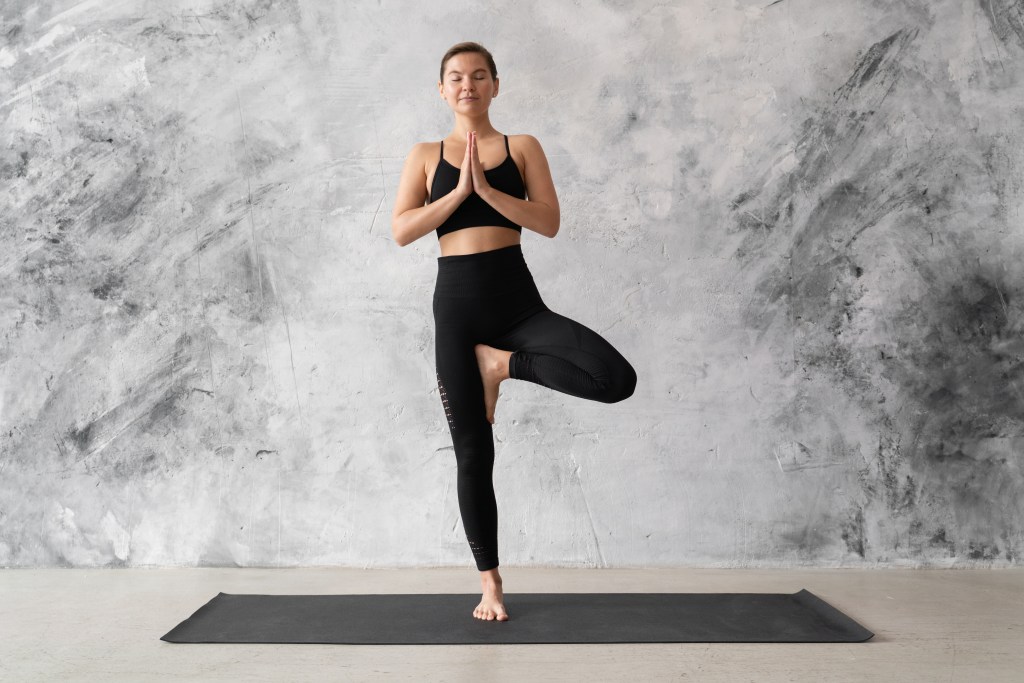
1. Tree Pose (Vrikshasana)
Okay, picture this: you’re standing on one leg, trying not to topple over while balancing your mental to-do list. Welcome to Tree Pose. This posture forces you to focus because if your mind wanders, you’ll end up wobbling like a palm tree in a storm. Balancing on one leg brings you right back into the present moment, dragging your mind out of its rabbit hole and into the now.
How to do it:
- Stand tall with your feet together.
- Shift your weight onto your right foot, lifting your left foot and placing it on your inner thigh (or calf if you’re feeling less adventurous—just avoid the knee).
- Bring your hands together at your chest or raise them above your head like a tree’s branches.
- Hold and breathe, focusing on a point in front of you to keep your balance.
Benefits for analytical thinkers: By sharpening concentration and pulling your attention into the present moment, Tree Pose helps you step out of the constant swirl of overthinking and regain clarity. It’s great for grounding yourself when your mind feels like it’s on a runaway train.
2. Eagle Pose (Garudasana)
Next up is Eagle Pose, which is like the “pretzel” of yoga. This one challenges you to wrap your limbs around each other and balance, which—spoiler alert—requires your brain to focus on something other than that random email from last week. The twisty nature of this pose helps you focus on alignment and breath, making it a great way to mentally declutter.
How to do it:
- Stand tall and bend your knees slightly.
- Lift your right leg and cross it over your left, wrapping your right foot around your left calf.
- Cross your arms in front of you, with your right arm under your left, bringing your palms together (or back of hands if they don’t quite meet).
- Hold and breathe, focusing on balance and breath.
Benefits for analytical thinkers: Eagle Pose works wonders for improving focus and mental clarity by forcing you to tune into your body. And if you’re mentally juggling a million things, this pose reminds you that sometimes it’s okay to untangle those thoughts, one twist at a time.
3. Seated Forward Fold (Paschimottanasana)
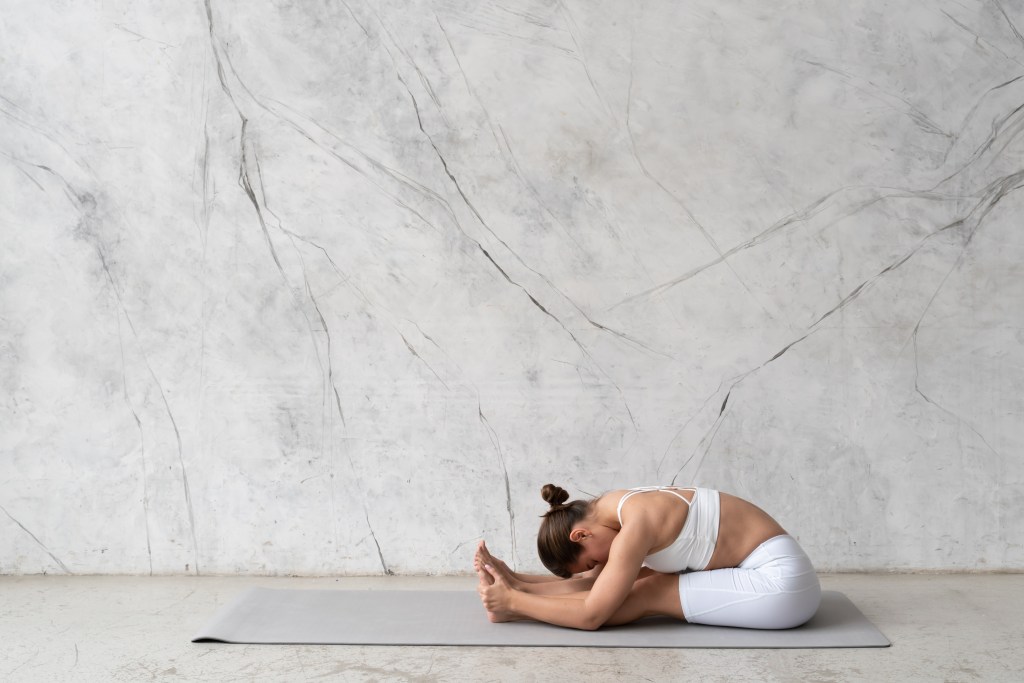
Now, let’s get a little introspective with Seated Forward Fold. This pose is like a warm hug for your brain. You fold forward, stretch out the body, and take a breather—perfect for those moments when your mind is doing Olympic-level overthinking. It’s a simple yet effective way to bring yourself back to center and slow down the mental hamster wheel.
How to do it:
- Sit on the floor with your legs extended in front of you.
- Inhale to lengthen your spine, and as you exhale, fold forward from your hips, reaching for your feet.
- Let your head and neck relax, and breathe deeply.
Benefits for analytical thinkers: Seated Forward Fold calms the nervous system and encourages you to let go—both physically and mentally. It’s a great way to stretch out and reset when you’ve been in your head too long.
Breathing Techniques for Mental Clarity and Focus
1. Nadi Shodhana (Alternate Nostril Breathing)
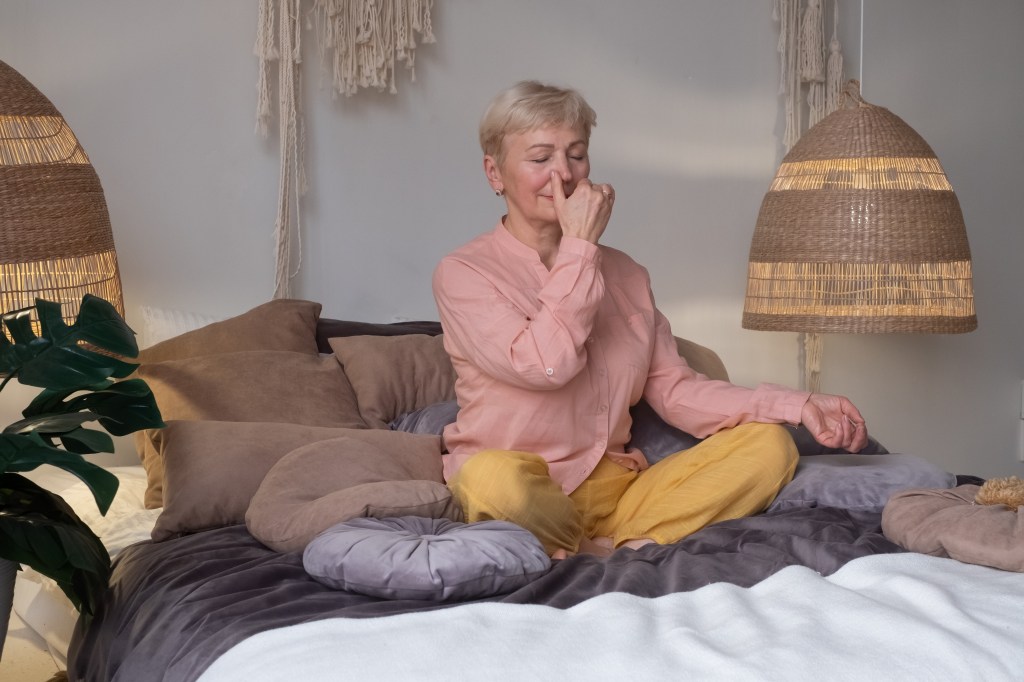
I know we’ve talked about Nadi Shodhana before, but it deserves a spot here because it’s a lifesaver for calming a busy mind. By balancing the breath between both nostrils, you also balance the brain’s hemispheres—meaning you’ll feel a little less “all over the place” and a little more in sync.
How to do it:
- Sit comfortably with your spine straight.
- Use your right thumb to close your right nostril.
- Inhale through your left nostril.
- Close your left nostril with your ring finger, release your right, and exhale through your right nostril.
- Inhale through your right nostril, close it, and exhale through the left.
- Repeat for 5-10 rounds.
Benefits for analytical thinkers: This breathing technique is like a mental reset button. It clears out the clutter and helps you find focus, clarity, and calm, making it perfect for overthinkers who need to hit “pause” on the endless mind chatter.
2. Bhramari (Bee Breath)
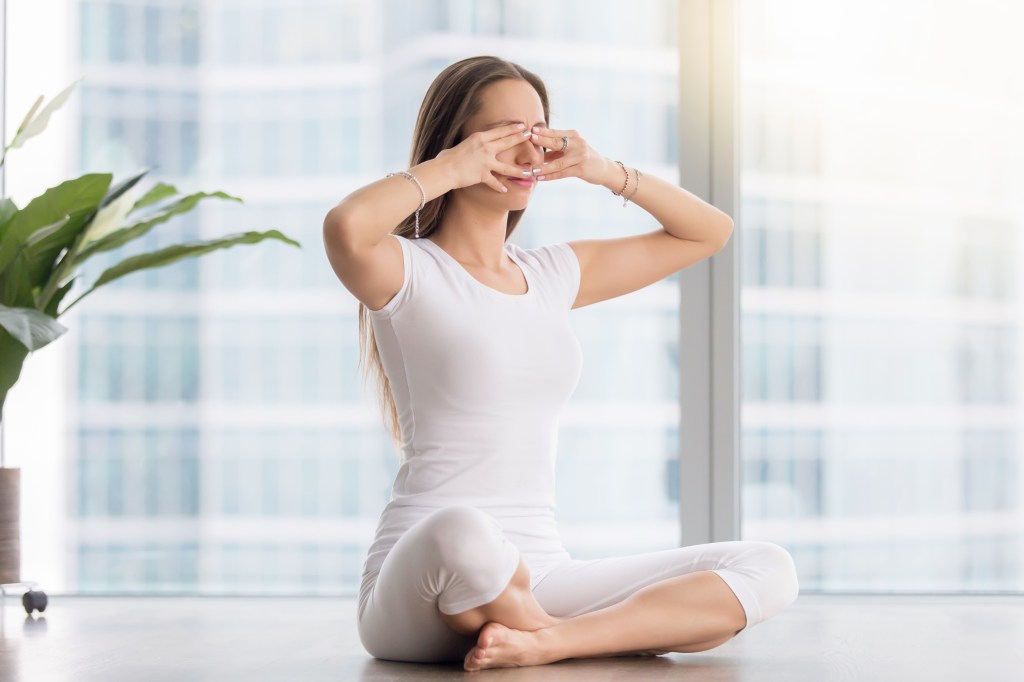
Let’s be real—sometimes your mind just won’t shut up, and that’s where Bhramari, or Bee Breath, comes in. It’s one of the quickest ways to quiet mental noise. The gentle humming sound you make during this practice soothes the nervous system and helps reduce anxiety.
How to do it:
- Sit comfortably and close your eyes.
- Place your thumbs over your ears and gently rest your fingers on your eyelids (optional).
- Inhale deeply, and as you exhale, make a humming sound like a bee.
- Focus on the vibration in your head and throat.
- Repeat for 5-7 breaths.
Benefits for analytical thinkers: Bee Breath is like a gentle massage for your brain. It helps calm an overactive mind, reduces anxiety, and clears mental tension—perfect for those days when you can’t stop replaying that awkward conversation from three days ago.
Final Thoughts
If you’re an analytical thinker, yoga and pranayama (breathwork) can be your secret weapon for finding focus and reducing stress. Poses like Tree Pose and Eagle Pose challenge you to focus, while breathing techniques like Nadi Shodhana and Bee Breath clear mental clutter and bring clarity. Yoga offers more than just physical benefits—it’s a way to reset the mind and calm the constant overthinking.
So, the next time your mind won’t quiet down (whether due to a full moon or just the general chaos of life), give these poses and breathing techniques a try. And if all else fails, you can always blame it on the birds outside.
Tags: #YogaForFocus, #MindBodyConnection, #RationalSpirituality, #MentalHealth, #CalmMind, #ClarityThroughYoga, #StressRelief

 The Balanced Equation