
Finding Balance with Yoga: From Cacti to Clarity

Let me start by saying that this post was going to be a straightforward guide on using yoga to cultivate focus and clarity—until my garden decided to turn into an unexpected training ground for patience and resilience. So, let me share a little story with you, and I promise we’ll get to the yoga soon!

The Great Cactus Incident

This past Saturday, I was blissfully weeding my garden (which, by the way, was designed by my “earth angel” friend who has transformed my yard into a small paradise). I was decked out in protective gear: hat, sunglasses, gloves, boots—the full “don’t mess with me” garden look. Apparently however, one rogue cactus didn’t get the memo. I felt a sharp pain in my left knuckle, and sure enough, when I took off my glove, there was a tiny hair-like spike lodged in my skin. I shrugged it off, removed the spike, and went on with my day, feeling accomplished.

Fast forward to the afternoon, still in the garden, pulling weeds when I realized my hand refused to cooperate. It wouldn’t even close around the weeds. Instead, it opted for these spasms, making it feel like my hand had a mind of its own. Even then, I thought, Well, that’s odd, but carried on, totally missing the connection to my cactus encounter. That night, I had a strange dream where I was convinced I must have punched someone—my hand was throbbing, red, and swollen. I woke up in a haze, only to find that it wasn’t just a dream: my hand was doing its best impression of a balloon animal, complete with a lovely shade of red.

After six hours in the emergency department (an x-ray, ultrasound, tetanus shot, and a round of IV antibiotics later), it turns out that my cactus friend had managed to inject some kind of poison right into my tendon. I left the hospital with my hand wrapped in a compression bandage, feeling like I’d survived a battle. And, thanks to the antibiotics and lack of sleep, I now find myself trying to recover from the aftermath of a migraine and restore some balance.

So, this post is now dedicated to sharing exactly what I’m doing to get back to my center. If your mind or body is out of balance—whether from a cactus attack, a stressful week, or just life’s usual chaos—these yoga poses can be a gentle way to bring you back.


1. Tree Pose (Vrksasana): For When You Need to Feel Grounded

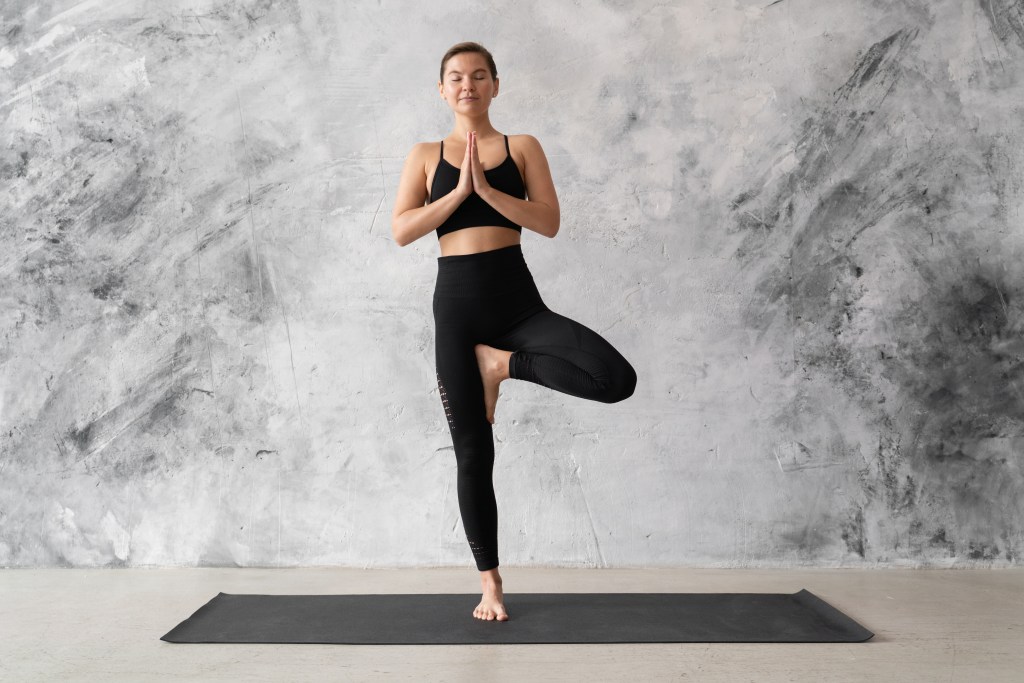
Let’s start with a pose that literally requires you to root yourself in one place—something I wish I’d done around that cactus. Tree Pose helps cultivate balance and focus by asking you to stand on one leg, which, if you’re like me, is sometimes easier said than done.

How to Practice Tree Pose:

  1. Stand with your feet hip-width apart.
  2. Shift your weight onto one leg, pressing that foot firmly into the ground (imagine you’re rooting down—pun intended).
  3. Lift the other foot and place it against your inner thigh or calf, whichever feels stable.
  4. Bring your hands to your heart, or raise them overhead like branches.
  5. Focus on a single point ahead of you to stay balanced and hold for 5-10 breaths. Then switch legs.
Why It Works:

Tree Pose helps focus and steady the mind. For those of us who live in our heads, grounding ourselves physically can calm mental chatter. Plus, it’s an ideal reminder that balance—both physically and mentally—is a work in progress.

When to Use It:

Whenever life has thrown you off balance, quite literally or figuratively, Tree Pose is a great way to find stability. I’d recommend starting your day with this pose, especially when you need to feel grounded.


2. Child’s Pose (Balasana): For Surrendering When Control is Out of Reach

Child’s Pose has saved me from myself on more than one occasion. It’s the ultimate “I surrender” pose, inviting you to let go and let your mind take a backseat. So when you’ve been spiked by a cactus, spent hours in emergency, or are simply feeling overwhelmed, Child’s Pose is the perfect reset button.

How to Practice Child’s Pose:

  1. Kneel on your mat with your big toes touching, knees together or apart (whatever feels better for you).
  2. Fold your torso forward, stretching your arms out in front of you or resting them by your sides.
  3. Rest your forehead on the mat, letting go of any tension in your neck.
  4. Take slow, deep breaths, and stay here for as long as you like.

Why It Works:

This pose calms both body and mind, making it easier to reconnect with yourself. In my case, it’s a way to release my “Why did I mess up?” thoughts and accept that sometimes things happen—spikes and all. Physically, it stretches the back and relieves tension, especially helpful after hours spent tensing up.

When to Use It:

Whenever you need a break from life, take a moment in Child’s Pose. Even just a few minutes can help you shift out of “fight or flight” mode and into a place of rest.


3. Legs Up the Wall (Viparita Karani): For Reversing the Day’s Chaos

Legs Up the Wall is one of those poses that’s almost too good to be true. It requires minimal effort but offers maximum relaxation. For me, it’s a lifesaver after days that make me feel like I’ve been turned upside down—perfect after an emergency room visit or a migraine-inducing experience.

How to Practice Legs Up the Wall:

  1. Sit sideways against a wall, then swing your legs up so they’re resting vertically along the wall.
  2. Lay back, with your arms relaxed by your sides or resting on your belly.
  3. Close your eyes and take slow breaths, letting gravity do the work.
  4. Stay here for 5-15 minutes, or as long as you need.

Why It Works:

By reversing blood flow, this pose helps reduce inflammation and calms the nervous system. It’s especially helpful after a high-stress day, as it gives the brain and body a chance to reset. For those of us who tend to get stuck in overdrive, Legs Up the Wall is like hitting “refresh.”

When to Use It:

Legs Up the Wall is perfect before bed or whenever you need a little mental detox. After my little cactus ordeal, it’s become part of my nightly routine. It helps me unwind and clear out the day’s tension.


Finding Clarity Through Yoga (and Life’s Unexpected Lessons)

Sometimes life throws you a cactus—and sometimes it’s literal. Practising yoga has helped me find clarity. It guides me even in the most chaotic of moments. Yoga reminds me to breathe, stay grounded, and surrender control when needed. These poses are gentle, accessible tools that can bring a little peace and balance to your day.

Ready to Give It a Try?

If you’re finding life a little overwhelming right now (hopefully without the cactus), try one of these poses. Start with Tree Pose in the morning, Child’s Pose when you need a break, and Legs Up the Wall to wind down in the evening. And please, learn from me: stay mindful of those hidden spikes in life’s garden!


Tags: #YogaForFocus #MindBodyBalance #ClarityThroughMovement #HolisticWellBeing

The Balance Between Rationality and Spirituality: Finding My Zen in a Spreadsheet

Hello, lovely readers! Today, we will dive into something that sounds like a contradiction but has somehow become my secret weapon: balancing rationality and spirituality. I know—it sounds like I’m trying to merge a calculator with a meditation cushion. And honestly? I am. But stick with me, because there’s some magic in finding the sweet spot between the two.

Data vs. Dharma: Why Not Both?

For most of my life, I thought I had to choose. I could be rational, data-driven, efficient—crunching numbers and organizing life with spreadsheets, knowing exactly how many grams of protein I ate that day and how many steps I took. Or I could be spiritual—connected, intuitive, meditating in the mornings and practicing yoga at sunset, finding meaning in the flow of life without needing it all quantified.

But then I realized something radical: why not both? Why couldn’t I be the Yogi CFO who finds peace in both a deep breath and a well-organized Excel sheet? And that’s where this journey really began—finding the balance between the data-driven part of me and the spiritual seeker. Because the truth is, rationality and spirituality aren’t opposites—they complement each other beautifully if you let them.

The Mood Tracker That Became My Meditation Partner

Take, for example, my trusty mood tracker. If you’re thinking this sounds like something a Type-A personality would come up with, you’re absolutely right. I wanted to understand my moods, to see if there were patterns, to make sense of the ebb and flow of emotions that seemed to have no rhyme or reason—especially after chemo and the hormonal rollercoaster of early menopause.

So, I made myself a simple mood tracker. Each day, I rated my mood from 1 to 10 and wrote down a few notes about what was happening—stressful work deadlines, a good yoga session, an argument with the toaster (you know, the usual). It wasn’t fancy, but it was honest. And after a few months, I started to notice something: there were patterns. My best days weren’t the ones where everything went perfectly—they were the ones where I had made time for myself, to breathe, to move, to be still.

And that’s when the magic happened. I started integrating my yoga and meditation practices with my data. I noticed that on the days I took even 10 minutes to do some simple breathing exercises—Nadi Shodhana (alternate nostril breathing) or 4-7-8 breath—my mood improved. When I practiced yoga, especially gentle or restorative poses like Legs Up the Wall, I slept better. The data wasn’t just numbers—it was telling me the story of what I needed to feel balanced, whole, and genuinely myself.

Using Data to Deepen Spiritual Practice

You might be thinking, “That’s great, but doesn’t tracking everything take away from the spiritual side?” Surprisingly, no. If anything, it deepened my practice. I found myself using my mood tracker not just to analyze but to reflect. On the days when my mood dipped, I’d ask myself why—and then I’d use that knowledge to make changes. If I saw that I was consistently feeling low after skipping meditation for a few days, it was like a gentle nudge from my data-driven self to get back on the mat.

And when things were going well, the tracker became a celebration of the little wins—a reminder that when I showed up for myself, when I breathed, moved, and connected, it made a difference. The rational side of me loved seeing the trends, and the spiritual side loved the reminder that taking care of myself was, in itself, a form of meditation.

A Practical Example: Bringing It All Together

Here’s how it works in practice: every morning, I start with a few minutes of meditation, just sitting quietly with my breath. After that, I open my mood tracker, rate how I’m feeling, and jot down a few notes—anything from “Slept terribly” to “Feeling grateful for the sunshine.” It’s simple, but it’s powerful.

Then I move. Some days it’s yoga—a gentle flow or some restorative poses. Other days, it’s a walk in the garden or a few stretches while I wait for the kettle to boil. And every week, I look back at my tracker. If I notice a dip, I use it as a cue to ask myself: have I been skipping my meditation? Have I been spending too much time worrying about things I can’t control?

This balance of rationality and spirituality has become my compass. The data helps me see what’s working, what’s not, and where I need to focus. The spiritual practice helps me connect, breathe, and remember that not everything needs to be fixed—sometimes it just needs to be felt.

Tips for Balancing Rationality and Spirituality in Your Life

If you’re ready to give this a try, here are some tips to help you find your own balance:

  1. Start a Simple Tracker: You don’t need an app or anything fancy (although if you have an iPhone, the Health App included has an easy-to-use mood tracker built right in). No smartphone? A notebook will do. Each day, rate your mood from 1 to 10 and write down a few notes—what you did, how you felt, and any significant events. It’s not about over-analyzing; it’s about noticing patterns.
  2. Integrate Breathwork: Try Nadi Shodhana or 4-7-8 breathing. Set aside five minutes each day—morning, evening, whenever you can. Notice how your body feels before and after, and make a note in your tracker. Let the data tell you what works.
  3. Move Mindfully: Yoga is a beautiful bridge between rationality and spirituality. Poses like Legs Up the Wall are easy, restorative, and don’t require you to be flexible or fancy. Just give yourself that time to move and breathe.
  4. Reflect, Don’t Obsess: The goal isn’t to track every detail of your life or to force yourself into rigid routines. It’s about using the information you gather to help you understand yourself better, and to be gentle when things don’t go perfectly.

The Beauty in Balance

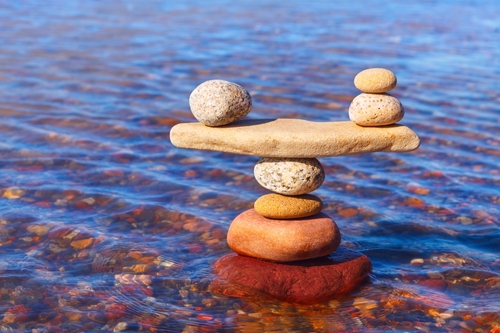
Balancing rationality and spirituality isn’t about choosing one over the other. It’s about letting them dance together. It’s using data to help guide your spiritual growth and letting spirituality bring depth and meaning to the numbers. It’s giving yourself the tools to understand and the space to simply be.

So here’s to finding that balance—where the spreadsheet meets the meditation cushion, and where we learn that data and dharma aren’t at odds, but rather two sides of the same beautifully balanced coin.

Post-Menopause: Embracing the Transition with Grace (and a Little Dose of Incredulity)

Hello, wonderful readers! Today, I’m diving into one of the more unexpected chapters of my life—a chapter that begins with cancer, weaves through chemo, and somehow ends up with me in the midst of early menopause, trying to make sense of what exactly happened to my body. Spoiler alert: I didn’t even realize I was in menopause until I’d survived 18 months of treatment and was left standing in the aftermath, blinking at a whole new reality.

How Cancer Treatment Masked Menopause

When I was first diagnosed with breast cancer, it was like being dropped into survival mode. Everything became about getting through the next treatment, the next day, the next moment. My treatment involved neo-adjuvant chemotherapy, multiple surgeries, and radiation—the full works. And during that time, my body was put through the wringer in ways that I was too focused on survival to fully process. There was hair loss, nausea, exhaustion, and let’s not forget the side effects that made me feel like I was living in a perpetual sauna.

It turns out, I was also going through early menopause. But between the chemo and radiation, I didn’t have the bandwidth to tell the difference. Hot flashes? They felt like just another side effect, blending right in with the sweats and flushes that chemo threw my way. I was simply trying to stay alive, holding on for my boys, and if menopause had decided to join the party, well, I didn’t exactly have an RSVP list.

Post-Treatment Realization

It wasn’t until I finished the 18 months of life-saving treatment that the reality of menopause hit me. Suddenly, there was a stillness, a strange sense of “What now?” After months of focusing on fighting for my life, I was left with the quiet realization that my body had changed dramatically. The hot flashes were still there, but now they didn’t come with the label of chemo side effects. The sleep disturbances, mood swings, and bone-deep exhaustion were harder to ignore, no longer hidden beneath the noise of treatment.

But perhaps the biggest revelation came in the form of anxiety. After everything I’d been through, I was left feeling like I was constantly on edge—heart pounding, mind racing. A well-meaning counselor gently suggested that I was likely experiencing anxiety. I remember blinking at her, completely incredulous. “Really? You think?” I replied, unable to keep the sarcasm out of my voice. “I just thought I was Type A and highly efficient.”

It turns out, trying to stay alive for my boys had taken its toll. Anxiety had become my default mode, and the idea of adding more medication to my already lengthy regimen didn’t sit well with me. So, I did what I knew best—I started researching, and that’s when I stumbled upon meditation. The idea of finding calm without a prescription was too appealing to pass up, and that simple quest to manage anxiety without medication eventually led me to yoga.

Yoga: My Path Back to Balance

Yoga didn’t come into my life as a graceful calling. It arrived as a lifeline—a way to bring my body and mind back into some kind of balance after months of fighting just to stay alive. It was the start of reconnecting with a body I’d felt disconnected from for far too long.

Breathwork (Pranayama): One of the first things I learned was Nadi Shodhana—alternate nostril breathing. In a world that had felt chaotic and overwhelming, this simple practice brought a sense of control. It didn’t matter if the hot flashes were from menopause or remnants of chemo—what mattered was that I had a way to breathe through them, to find my way back to myself, one breath at a time.

Restorative Yoga Poses: Physically, my body was exhausted. Restorative yoga became my haven—gentle movements that allowed me to honor what my body had been through, rather than push it further. Legs Up the Wall was a nightly ritual, and Child’s Pose reminded me that sometimes, surrender is the strongest thing you can do. I needed rest, not rigor, and yoga gave me permission to take that rest without guilt.

Mantra Meditation: Emotionally, I was still on that rollercoaster—sometimes feeling deep gratitude, other times overwhelmed by the smallest things. Meditation gave me a new tool, and my mantra became “I am enough.” It was a simple statement, but after months of battling cancer and then facing menopause, it was exactly what I needed: a reminder that, in all my imperfection and struggle, I was still enough.

Tips for Embracing the Transition (Especially When You Didn’t See It Coming)

So, if you find yourself thrown into menopause when you least expect it—whether by chemo, life, or some other curveball—here are a few things that helped me find some grace (and humor) in the chaos:

  1. Acknowledge What’s Happening: I spent a long time disconnected from my body, ignoring the signals it was sending me. One of the most powerful things I did was simply acknowledge, “Hey, I’m going through something big here.” Body scan meditations helped me reconnect—taking the time to feel each part of my body, without judgment, and recognizing what I needed.
  2. Breathe Like Your Life Depends on It (Because Sometimes It Feels Like It Does): 4-7-8 breathing became a lifeline when anxiety and hot flashes threatened to take over. Inhale for 4 counts, hold for 7, exhale for 8. It’s amazing how something as simple as breathing can pull you back from the edge.
  3. Rest Without Shame: Restorative yoga taught me that rest is not a luxury—it’s a necessity. Poses like Legs Up the Wall allowed me to let go of the day’s tension, and reminded me that after everything my body had been through, it deserved my care, not my criticism.
  4. Laugh at the Absurdity: Anxiety, menopause, hot flashes—it’s a lot. But finding humor in the absurdity of it all became my saving grace. Like the time I snapped at my well-meaning counselor because, yes, anxiety is kind of inevitable when you’re fighting cancer. Or the countless moments I woke up drenched in sweat and just had to laugh because, honestly, what else can you do?
  5. Embrace the Imperfection: I learned a lot about balance through Tree Pose—sometimes I could hold steady, and other times I wobbled or fell. And that’s okay. Embracing the imperfection, the fact that balance isn’t a destination but an ongoing practice, made all the difference. It’s not about being perfect—it’s about showing up, wobble and all.

Finding Grace, Even in the Unexpected

I wish I could say that early menopause has been a walk in the park, but the truth is, it’s been more like a stumble through unfamiliar terrain. The cancer treatment masked the symptoms, and by the time I realized what was happening, I was already in the thick of it. But through it all—through the anxiety, the sleepless nights, the endless waves of heat—I found moments of grace. I learned to reconnect with my body, to be patient with myself, and to find humor even in the most ridiculous moments.

Cancer forced me into survival mode, and menopause added another layer to that journey. But here I am, navigating it all, one breath, one yoga pose, one laugh at a time. And if there’s anything I’ve learned, it’s that there is beauty in surviving, in learning to thrive, and in embracing every imperfect part of who we are.

So here’s to the next chapter—whatever it may bring. Here’s to acknowledging the struggle, finding humor where we can, and celebrating the fact that we’re still here, still enough, and still growing.